
Leave Your Message
AI Helps Write

Why Choose a Compressed Air Heater for Industrial Use?

Why Choose a Compressed Air Heater for Industrial Use?

A Compressed Air Heater gives manufacturers controlled, clean, and responsive process heat. It warms pressurized air before drying, coating, packaging, sealing, or pneumatic conveying. Unlike open flames, it introduces no combustion products into the airflow. That difference matters near food equipment, electronics, and sensitive materials.

Ron Marshall, a recognized compressed-air energy specialist, offers a practical warning: “Compressed air is not free, even when the air itself costs nothing.” His point extends to heating systems. An efficient heater must match airflow, pressure, temperature, and operating hours. An oversized unit may waste electricity during low-demand shifts. An undersized unit may produce uneven drying and disappointing production results.

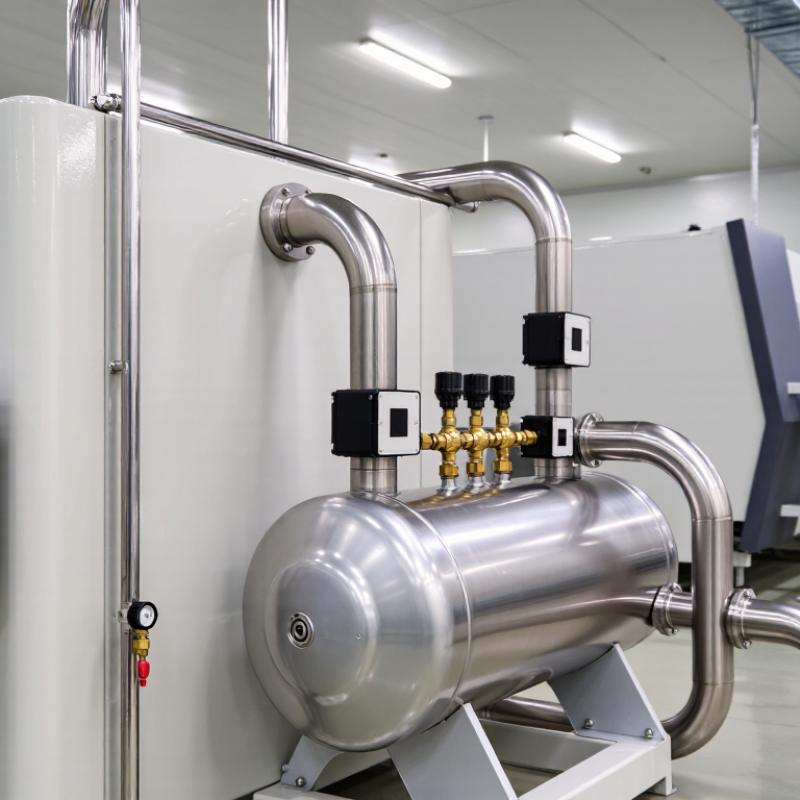
Picture a stainless-steel air line leaving the heater at a stable temperature. Sensors adjust output as the compressor load changes. Operators can monitor outlet temperature, pressure drop, and energy use from the control panel. These details support safer operation and more predictable product quality. Many systems also include over-temperature protection and automatic shutdown features.

Still, a heater is not automatically efficient. Poor insulation, wet compressed air, clogged filters, or incorrect sizing can reduce its value. That deserves honest attention. Plant managers should review duty cycles, dew point requirements, maintenance access, and total ownership costs before purchasing. A careful comparison may reveal that another heating method suits one process better. For many facilities, however, a properly specified Compressed Air Heater offers compact installation, precise control, and dependable performance without adding combustion risks.
Why Choose a Compressed Air Heater for Industrial Use?

What Is a Compressed Air Heater?

A compressed air heater is a controlled heat source installed in an air system. It raises the temperature of compressed air after compression, drying, or pressure reduction. This matters because expanding air becomes colder. Cold air can create condensation, unstable viscosity, or freezing around valves and nozzles.

Industrial heaters usually use electric elements, steam, thermal fluid, or recovered process heat. Sensors regulate outlet temperature, while insulation reduces heat loss along the pipe. The correct design depends on airflow, pressure, inlet temperature, humidity, and required cleanliness. A heater is not a replacement for an air dryer. It only manages temperature.

The U.S. Department of Energy reports that compressed air can represent about 10% of electricity use in industrial facilities. Its system assessment guidance also identifies leakage as a major source of avoidable energy waste. Heating air does not solve leakage. That point is often missed. In practical audits, operators should measure airflow and pressure before selecting heater capacity. A small workshop heater may fail beside a large pneumatic furnace line. Oversizing also wastes power and can damage sensitive materials.

ISO 8573-1 provides the common framework for compressed-air purity classes, including water and oil limits. Therefore, heater materials and controls must match the required air quality. Stainless construction may suit demanding processes, but it is not always necessary. The choice should follow verified operating data, not habit. Mistakes happen, especially when temperature readings are taken far from the actual process.


How Does a Compressed Air Heater Work?

A compressed air heater works by converting electrical energy into controlled heat. Compressed air enters a metal heating chamber. Resistance elements raise its temperature as it passes through. A thermocouple measures outlet temperature continuously. The controller then adjusts power to prevent overheating. Simple in theory.

Many systems install the heater after an air dryer. Warmer air can reduce condensation risks inside hoses, valves, and tools. It can also support stable spraying, packaging, and pneumatic processing. Flow rate matters greatly. If air moves too quickly, the heater may deliver insufficient temperature. If flow drops suddenly, the outlet may become too hot. Good designs use high-limit cutoffs, airflow monitoring, and insulated pipework.

The U.S. Department of Energy’s Improving Compressed Air System Performance sourcebook states that compressed air can consume about 10% of industrial electricity. It also reports that leaks may waste 20–30% of compressor output. Heating inefficiently can increase this burden. The Compressed Air and Gas Institute recommends evaluating pressure, flow, inlet temperature, and duty cycle before selecting equipment. I would not size a heater from pressure alone. That approach often fails in changing production conditions. A practical test records air temperature at the outlet, power consumption, and pressure drop during peak demand. Small details matter. Some installations still overlook sensor placement, which can create false temperature readings and unnecessary energy use.

Why Choose a Compressed Air Heater for Industrial Use? - How Does a Compressed Air Heater Work?

Data Dimension Typical Industrial Data or Explanation Why It Matters
Operating principle An electric resistance element transfers heat to compressed air as the air flows through a heated chamber. A temperature controller adjusts heater output according to sensor feedback. Provides controlled, on-demand heating without combustion gases entering the air stream.
Typical inlet pressure Approximately 4 to 10 bar(g) for many industrial compressed-air systems; the allowable value depends on the heater vessel and application design. The heater must be selected for the actual working pressure and protected with suitable pressure-control and safety devices.
Typical air outlet temperature Common process ranges are approximately 40 to 200 °C. Higher temperatures may be possible with specialized materials, insulation, controls, and safety validation. The required temperature affects heater power, materials, insulation, downstream equipment, and product safety.
Heating capacity Usually specified in kW. A practical estimate is Power (kW) ≈ Air mass flow (kg/s) × Specific heat of air (about 1.0 kJ/kg·K) × Temperature rise (K), excluding heat losses. This calculation links airflow and temperature rise to the electrical rating required for the heater.
Example heat-load calculation For 0.10 kg/s of air heated from 20 °C to 120 °C: 0.10 × 1.0 × 100 ≈ 10 kW of ideal heat input. A design allowance is then added for thermal losses and operating conditions. Offers a transparent first estimate before final sizing by a qualified engineer.
Temperature-control accuracy A properly tuned closed-loop controller can commonly maintain outlet temperature within approximately ±2 to ±5 °C under stable airflow and load conditions. Stable temperature helps protect products, improve process repeatability, and reduce overheating risk.
Response time Electric heaters generally respond within seconds to minutes, depending on heater mass, airflow, power rating, insulation, and control strategy. Fast response supports intermittent production cycles and reduces warm-up losses compared with continuously heated systems.
Energy conversion Electric resistance heating converts nearly all supplied electrical energy into heat at the element. Overall system efficiency is lower after accounting for compressor losses, distribution leakage, and thermal losses. The heater itself is efficient, but total operating cost must include the energy required to generate compressed air.
Air cleanliness Heating does not remove oil, water, particles, or microorganisms. Air quality depends on the compressor, dryer, filters, piping, and hygienic design. Applications involving food, pharmaceuticals, electronics, or direct product contact require an appropriate air-quality specification and validation.
Pressure drop A correctly sized inline heater is designed for a low pressure drop; the actual value varies with airflow, connection size, internal geometry, and filter arrangement. Lower pressure drop reduces compressor workload and helps maintain the required pressure at the point of use.
Required safety functions Typical protections include high-temperature cut-out, airflow or pressure interlock, overcurrent protection, grounding, emergency shutdown, and a cool-down sequence. These functions reduce the risk of element damage, fire, thermal runaway, and unsafe hot-air discharge.
Common industrial applications Drying and curing, moisture removal, packaging lines, pneumatic conveying, instrumentation protection, freeze prevention, plastics processing, and controlled hot-air cleaning. One heater design can support multiple processes when airflow, temperature, materials, and control requirements are properly matched.
Installation requirements Install downstream of suitable air treatment where required, provide adequate electrical supply, maintain service access, insulate hot surfaces, and follow applicable pressure, electrical, and machinery regulations. Correct installation improves reliability, operator safety, air quality, and compliance.
Main advantages Compact equipment, precise control, rapid start-up, no combustion exhaust at the outlet, easy automation, and suitability for localized heating. These benefits are valuable where clean, repeatable, and controllable heated air is needed close to the process.
Key selection inputs Air mass or volumetric flow, inlet pressure, inlet temperature, target outlet temperature, duty cycle, air quality, available electrical power, materials compatibility, and required certifications. Accurate inputs prevent undersizing, excessive pressure loss, unstable temperature control, and premature component failure.

Note: The values shown are typical engineering ranges or calculation references, not guaranteed performance limits. Final selection should be based on the equipment manufacturer’s documentation, applicable codes, and a qualified system assessment.

What Industrial Problems Can It Solve?

Why Choose a Compressed Air Heater for Industrial Use?

What Industrial Problems Can It Solve?

Cold compressed air can create practical problems inside industrial systems. Moisture may condense in pipes, valves, and pneumatic tools. In freezing areas, that water can block air passages or damage sensitive components. A compressed air heater raises the air temperature before it reaches the process. This helps reduce condensation and supports more stable equipment operation.

It can also improve drying, coating, packaging, and air-knife applications. Warm air removes surface moisture faster from metal parts, bottles, or electronic housings. In some processes, heated air keeps adhesives and liquids within a workable viscosity range. Operators may notice fewer interruptions during cold starts. The change can be surprisingly small.

A suitable heater must match pressure, flow rate, outlet temperature, and air quality. Engineers should check materials, insulation, control accuracy, and over-temperature protection. Filtered, dry air is still important. Heating contaminated air does not solve contamination. Plant troubleshooting often shows another issue: operators set temperatures too high, wasting energy and stressing components. A lower, verified setting may work better. Testing should include start-up conditions, seasonal changes, and actual production speed. It is not a perfect fix for poor system design. Yet, when correctly sized, a compressed air heater can address freezing, condensation, unstable drying, and inconsistent pneumatic performance with measurable control.

What Are Its Main Benefits for Industrial Operations?

A compressed air heater helps industrial systems deliver air that is warmer, drier, and more stable. This matters when cold air causes condensation inside pipes, valves, or pneumatic tools. In winter, a small temperature drop can freeze moisture near an outdoor actuator. Production may stop suddenly.

The U.S. Department of Energy reports that compressed air can use about 10% of industrial electricity. Its Improving Compressed Air System Performance sourcebook also estimates that leaks may waste 20–30% of compressor output. Heating air cannot repair those losses. It can, however, support better process control when temperature affects drying, spraying, packaging, or instrument performance. Stable air temperature also reduces sudden pressure and moisture changes. Operators often notice fewer sticking valves and cleaner finished surfaces.

There is a practical limit. A heater adds electrical demand, especially when airflow is continuous. The European Commission’s energy-efficiency guidance recommends controlling compressed-air demand, leaks, and operating conditions before adding equipment. ISO 8573-1 also makes air purity measurable through water, oil, and particle classes. That standard does not make a heater efficient by itself. Engineers should check dew point, flow rate, inlet temperature, and pressure loss first. The calculation is not always neat. Oversized heaters can waste energy, while undersized units may fail during cold starts. A monitored heater, paired with leak testing and automatic temperature control, usually gives a more defensible industrial solution.

How Should Industries Select and Use One Safely?

Compressed air heaters help stabilize process temperature, prevent condensation, and improve drying in demanding industrial lines. Selection should begin with real operating conditions, not catalogue wattage. Measure air flow, inlet temperature, pressure, duty cycle, and required outlet temperature. A heater sized for peak flow may waste energy during normal production. This matters because the U.S. Department of Energy reports that compressed air can consume 10% or more of industrial electricity in many facilities.

Safety depends on controls and installation details. Choose equipment with over-temperature protection, airflow monitoring, pressure-rated components, proper grounding, and suitable insulation. Confirm material compatibility with oil, moisture, and cleaning chemicals. ISO 8573-1 should guide compressed-air quality requirements, especially where heated air contacts products. In classified areas, use equipment approved for the specific hazardous location. Never bypass a temperature switch. It is a small shortcut with serious consequences.

Operators should inspect filters, drains, cables, seals, and warning labels before each shift. OSHA 29 CFR 1910.242(b) limits compressed-air cleaning pressure to 30 psi, with effective chip guarding. That rule does not make heated air automatically safe. Keep discharge outlets away from skin, plastics, and combustible dust. The DOE also notes that leaks may waste 20% to 30% of compressor output. We sometimes blame the heater for poor performance when leaks or blocked filters are responsible. Test the complete system, record temperatures, and review the settings after production changes. Perfect selection is rare; disciplined checking is practical.

Why Choose a Compressed Air Heater for Industrial Use?

Compressed air heaters provide controlled, clean, and instantly adjustable heat for drying, curing, dehumidification, freeze protection, and temperature-sensitive industrial processes. The chart shows the approximate electrical power required to raise compressed air temperature by 100°C at different standard airflow rates.

The values are calculated using the sensible-heating equation Q = m × Cp × ΔT, based on standard air density of 1.293 kg/m³ and specific heat capacity of 1.005 kJ/kg·K. Actual heater sizing should also include heat losses, operating pressure, control tolerance, insulation, and required safety margins.

Safe Selection and Use

  • Select heater power from the required airflow and temperature increase, not airflow alone.
  • Use temperature sensors, automatic over-temperature protection, and airflow or pressure interlocks.
  • Confirm that the heater materials, seals, and electrical rating are compatible with the air quality and process environment.
  • Prevent operation without sufficient airflow, and inspect wiring, filters, connections, and control devices regularly.