How to Choose the Best Instant Electric Water Heaters?
Choosing the right Instant Electric Water Heaters can significantly impact your daily comfort and energy bills. According to the International Energy Agency, water heating accounts for approximately 18% of energy use in homes. This statistic highlights the importance of selecting an efficient model that meets your needs.
When looking for the best options, you'll encounter various brands and features. Each unit varies in terms of capacity, energy efficiency, and installation requirements. Many consumers prioritize energy efficiency since it leads to lower utility bills. However, some opt for lower upfront costs, risking higher long-term expenses.
It’s also essential to consider the operational needs of your household. For example, a small apartment may require less heating capacity than a larger family home. Recognizing these differences can help to ensure a balanced choice. Moreover, while numerous models claim to be 'instant', their actual heating speed and energy efficiency may differ, warranting thorough research and reflection on your preferences and habits.
Factors to Consider When Selecting an Instant Electric Water Heater
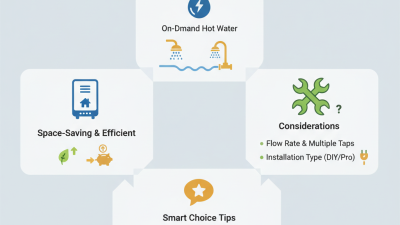
When selecting an instant electric water heater, several key factors should guide your decision. First, assess the heating capacity. Consider how much hot water you need at peak times. This capacity is usually measured in gallons per minute (GPM). Ensure that the heater can meet your household's demand without running out of hot water.
The energy efficiency rating is another critical factor. Higher efficiency models can significantly reduce energy bills. Look for units with good Energy Star ratings. They may cost more upfront but will pay off in the long run.
Tips: Evaluate installation requirements, too. Some units may require special wiring or plumbing modifications. Not all homes can accommodate every model.
Also, check the warranty and customer reviews. Reliable brands offer better support and longer warranties. This can be a sign of product durability. Pay attention to feedback on performance and maintenance issues.
Overall, be mindful of your specific needs. What works for one household might not suit another. Reflect on your usage patterns to find the best fit.
How to Choose the Best Instant Electric Water Heaters?
| Factor |
Details |
| Heating Capacity |
Measured in kW, choose based on the number of hot water outlets and usage. |
| Energy Efficiency |
Look for heaters with higher efficiency ratings to reduce utility bills. |
| Installation Type |
Options include point-of-use and whole house systems, select based on needs. |
| Water Pressure Compatibility |
Ensure the heater operates efficiently under your area’s water pressure. |
| Temperature Control |
Features like digital displays and adjustable thermostats enhance control. |
| Safety Features |
Look for automatic shut-off, surge protection, and temperature limit features. |
| Brand Reputation |
Choose trusted brands with positive customer feedback and service support. |
Understanding Different Types of Instant Electric Water Heaters Available
When exploring instant electric water heaters, understanding the different types available is essential. These devices come in various configurations, such as tankless models and point-of-use options. Tankless heaters provide hot water on demand, ideal for homes with limited space. They heat water directly as it flows through the unit. However, if your household has high simultaneous demand, they may struggle to keep up.
Point-of-use heaters are smaller and can be installed under sinks or near appliances. They reduce the wait time for hot water. These models can be advantageous for quick needs but may not supply enough water for multiple uses simultaneously. It’s crucial to assess your hot water requirements before choosing a type. Each type has unique benefits and potential drawbacks that should match your lifestyle.
While tankless heaters may save space, they often require more power to deliver hot water. This can impact your electricity bill. On the other hand, point-of-use heaters might not provide sufficient flow rate for larger tasks. These choices reflect on personal needs and household dynamics. Evaluating options critically is necessary to ensure you invest wisely.
Key Features to Look for in an Instant Electric Water Heater
When selecting an instant electric water heater, there are several key features to consider. Efficiency is paramount. According to industry reports, the most effective models can achieve over 98% energy efficiency. This can lead to significant cost savings on energy bills. Look for units with good Energy Star ratings, as these indications often guarantee better performance and lower environmental impact.
Another vital aspect is the flow rate. Depending on your household's needs, you'll want a model that can deliver adequate hot water on demand. A flow rate of at least 3 to 5 gallons per minute is ideal for typical household tasks. Users should note that if the flow rate is too low, it may result in disappointing performance during peak usage times.
Safety features also warrant attention. Many instant electric water heaters come equipped with automatic shut-off mechanisms. These help prevent overheating and potential hazards. Additionally, models with digital displays can provide real-time temperature readings. This allows for more precise control and avoids unexpected scalding.
Realizing the importance of these features is essential; neglecting them could lead to unsafe situations or inefficient performance. Make sure to assess your needs thoroughly and consider professional advice to find the best fit for your home.
Assessing Energy Efficiency and Cost Savings of Water Heaters
When choosing an instant electric water heater, energy efficiency is crucial. Energy-efficient models reduce long-term costs. They can lower your electricity bill significantly. Look for units with high energy factor ratings. These ratings indicate how well the heater converts energy into hot water.
Cost savings extend beyond the unit's price. Consider installation and operational costs. A more efficient water heater may cost more upfront, but savings accumulate over time. It's essential to assess your household’s hot water demand. A heater that's too small may fall short, leading to increased energy waste.
Moreover, reflect on your usage habits. Efficient models heat water only when needed. This is beneficial for smaller households. However, larger families may require a different approach. Evaluating your needs can prevent excess costs. Be cautious of assumptions; efficiency varies across different models. Knowing the specific requirements will guide you to a better choice.
The Importance of Brand Reputation and Customer Reviews in Purchasing Decisions
When choosing an instant electric water heater, brand reputation and customer reviews matter greatly. A well-known brand often signifies quality and reliability. Customers trust brands that have a history of delivering solid products.
Checking reviews helps evaluate the experiences of others. Positive feedback can boost your confidence in a purchase.
Before making a decision, consider reading diverse reviews. Look for patterns: if multiple users mention a specific issue, it’s a red flag. Analyze both positive and negative reviews for a balanced view. Sometimes, businesses may respond to criticism, showing their commitment to customer satisfaction.
Tip: Always check if the product has undergone third-party testing. Certifications can indicate reliability. Research the warranty length too, as it reflects the manufacturer's trust in their product. A long warranty often means better quality assurance.
Balancing brand reputation and user feedback can guide you to a dependable choice.