How to Choose the Best Heat Pump for Your Home?
Choosing a heat pump for your home can be overwhelming. With so many options available, it's essential to make informed choices. Experts like Dr. Sarah Johnson, a renowned HVAC specialist, emphasize the importance of this decision. She once stated, "Selecting the right heat pump is crucial for energy efficiency and comfort."
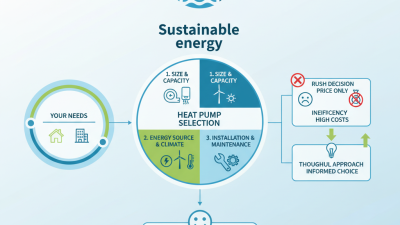
A heat pump works by transferring heat rather than generating it. This can significantly reduce energy costs, especially during extreme weather. Different models offer unique features, making it critical to evaluate your home's specific needs. For instance, the size of your living space and the climate of your region will influence your choice.
Many homeowners underestimate the long-term impact of their selection. A poorly chosen heat pump can lead to inefficiencies and higher utility bills. It's essential to consider factors such as noise levels and maintenance requirements. Balancing immediate costs with future savings will guide you toward the best option for your home.

Understanding Different Types of Heat Pumps: Air, Ground, and Water Sources
When selecting a heat pump, understanding the source type is crucial. Air-source heat pumps are common for residential use. They draw heat from the outside air, even in cold temperatures. These systems are generally easier to install and cost-effective. However, their efficiency drops in extremely cold climates. Homeowners should critically evaluate their local weather conditions before opting for air-source units.
Ground-source heat pumps, also known as geothermal heat pumps, utilize the stable temperatures found underground. They require more complex installation, involving digging or drilling. This method is highly efficient and sustainable, but upfront costs can be significant. It is important to weigh the long-term savings against initial investments.
Water-source heat pumps are another option. They harness heat from a nearby body of water. These systems can be very efficient but depend on having access to a substantial water source. Installing such systems may pose unique challenges and require environmental considerations. It's important to think thoroughly about each type's benefits and limitations. This allows homeowners to make informed choices that suit their specific needs and circumstances.
Assessing Your Home's Heating and Cooling Requirements for Optimal Selection
When selecting a heat pump, understanding your home's unique heating and cooling needs is crucial. According to the U.S. Department of Energy, homes typically require about 30 to 40 BTUs (British Thermal Units) per square foot. This figure varies based on insulation quality, home size, and climate zone. Assessing these factors ensures the efficiency of your heat pump.
You might want to calculate your specific requirements through a Manual J load calculation. This method considers various elements, including window sizes and air leakage. In fact, a report from the American Council for an Energy-Efficient Economy highlights that poorly sized heat pumps can lead to a 20% increase in energy usage. Clearly identifying your needs can save you money over time.
Don't overlook your seasonal climate conditions. For instance, areas with extreme temperatures need heat pumps with higher performance ratings. SEER (Seasonal Energy Efficiency Ratio) ratings play a key role in this analysis. Aim for a SEER rating above 15 for optimal energy savings. It's common for homeowners to underestimate these metrics, which can lead to poor choices. A thoughtful evaluation of your specific circumstances will pay off significantly in energy efficiency and comfort.
Energy Efficiency Ratings: SEER and HSPF Explained for Heat Pumps
When selecting a heat pump for your home, understanding energy efficiency ratings is crucial. Two key metrics to consider are SEER (Seasonal Energy Efficiency Ratio) and HSPF (Heating Seasonal Performance Factor). SEER measures cooling efficiency, while HSPF evaluates heating effectiveness. For optimal efficiency, look for a heat pump with a SEER rating above 16 and an HSPF rating above 8.2, as these benchmarks indicate a significant energy savings. According to the U.S. Department of Energy, a higher SEER and HSPF can lead to a reduction in energy costs by up to 30%.
Attention to detail is essential when assessing these ratings. A heat pump with a lower SEER may seem cost-effective initially but can lead to higher long-term expenses. The average lifespan of a heat pump is about 15 years. If a unit is not energy efficient, it can escalate your utility bills over time. Regular maintenance is also overlooked; neglecting it can reduce efficiency by 5% annually.
To navigate your choices effectively, delve into product specifications. Look for third-party certifications that verify efficiency claims. An independent review can ensure reliability. Additionally, consider the climate where you live. A heat pump’s performance varies based on regional temperature. Balancing these factors will lead you closer to a heat pump that suits your needs.
Evaluating Installation Costs and Long-Term Savings for Heat Pump Systems
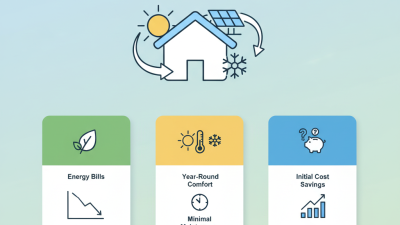
When evaluating installation costs and long-term savings for heat pump systems, several factors come into play. The initial installation costs can range between $3,000 to $8,000, depending on the system's complexity and your home's size. According to the U.S. Department of Energy, a properly installed heat pump can reduce heating and cooling costs by 50% compared to traditional systems. This means substantial savings over the years, making the higher upfront costs more justifiable.
Assessing efficiency ratings like the Seasonal Energy Efficiency Ratio (SEER) and Heating Seasonal Performance Factor (HSPF) can further inform your decision. A high SEER rating indicates better performance, potentially resulting in significant energy savings. Consider that an increase in efficiency by just one point can translate into a 5-10% reduction in energy costs. Many homeowners overlook the importance of these ratings, which can lead to regrets later on.
For effective long-term savings, it's crucial to size your heat pump correctly. Oversized units may result in higher energy costs and reduced lifespan. Regular maintenance also plays a vital role in ensuring efficiency. Neglecting routine checks can diminish performance and lead to higher expenses. Evaluate your needs carefully, and take the time to research options to find a system that offers both efficiency and reliability.
Considering Climate and Local Incentives in Heat Pump Decision-Making
When choosing a heat pump, climate plays a significant role. Your local weather patterns affect performance and efficiency. For instance, colder areas may need a more robust system. In milder climates, a standard heat pump might suffice. Understanding your region's temperature fluctuations is essential.
Local incentives can also guide your decision. Many areas offer tax credits or rebates for energy-efficient systems. Check with your local utility company to explore these options. They can sometimes significantly offset installation costs. Research and compare the benefits and eligibility for these programs in your location.
It’s important to assess maintenance needs as well. Some systems require more upkeep than others. Factor this into your long-term budget. Look for user reviews that speak to reliability and performance in your specific climate. Keep in mind that the best choice might not be the most expensive model. Balancing cost, efficiency, and available incentives ensures a sound investment for comfort and savings.
Heat Pump Energy Efficiency Ratings versus Installation Costs
This chart compares the energy efficiency ratings (SEER) and installation costs of different heat pump models. A higher SEER indicates better energy efficiency, while the installation cost is an important factor in the decision-making process.