Top 10 Air Energy Heat Pumps for Efficient Heating Solutions?
As the demand for energy-efficient heating solutions grows, Air Energy Heat Pumps have emerged as a leading choice for homeowners. According to Dr. Emily Carter, a renowned expert in renewable energy technologies, "Air Energy Heat Pumps provide not only sustainability but also significant savings on heating costs." This statement encapsulates the potential impact of these systems on modern heating practices.
The versatility of Air Energy Heat Pumps makes them suitable for various climates. They extract heat from the air, even in colder temperatures. This adaptability is crucial as more homeowners seek eco-friendly options. However, despite their advantages, some users may find installation complexity daunting. Understanding the system is pivotal for effective operation and maintenance.
Recent advancements in technology have enhanced the efficiency of Air Energy Heat Pumps. Yet, challenges remain. Some models may underperform in extreme conditions. It is essential for consumers to research and choose reliable brands. By doing so, they can ensure optimal function and maximize their investment in this sustainable heating solution.
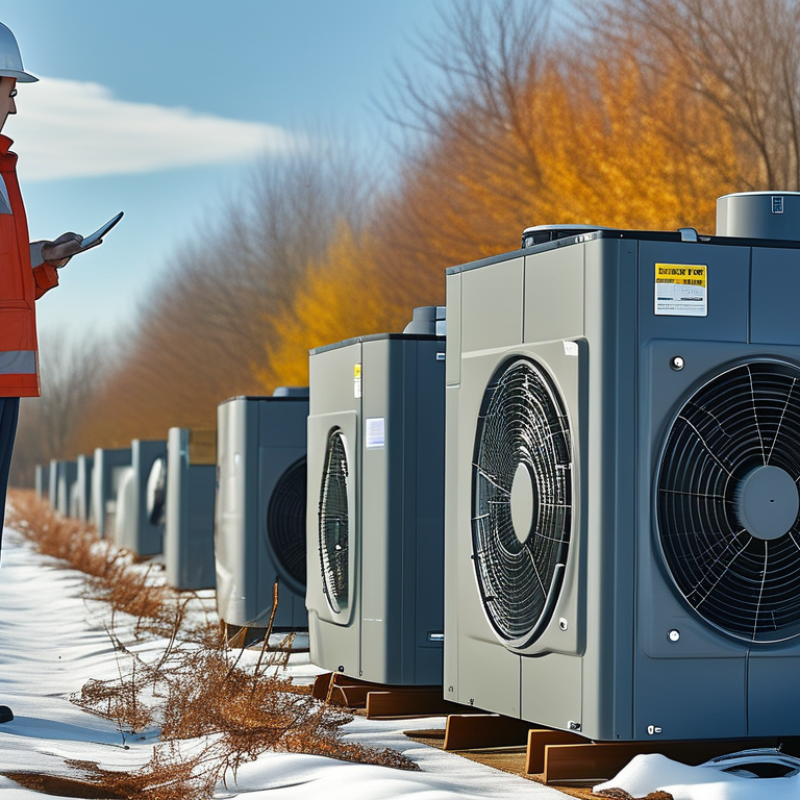
Top 10 Air Energy Heat Pumps: An Overview of Efficiency Ratings
Air energy heat pumps are becoming a popular choice for efficient heating solutions. According to the U.S. Department of Energy, these systems can achieve efficiency ratings of 300% to 400%. This means they can produce three to four units of heat for every unit of energy consumed. The performance largely hinges on the specific heat pump model and local climate conditions.
With efficiency ratings being a key factor, air energy heat pumps often outperform traditional heating methods. They operate best in moderate climates. However, their efficiency can decline in extreme winter temperatures. This poses a challenge for homeowners in colder regions. Research from various industry reports indicates that investing in a high-efficiency heat pump can lead to significant energy savings.
While energy efficiency is impressive, potential users should remain cautious. Some heat pumps may require higher upfront costs. Additionally, installation quality is crucial for optimal performance. It’s essential to consider local regulations and weather patterns when choosing a system. Balancing initial expenses with long-term savings is a complex decision many face.
Top 10 Air Energy Heat Pumps for Efficient Heating Solutions
| Model |
Heating Capacity (BTU) |
Efficiency Rating (HSPF) |
Noise Level (dB) |
Price Range ($) |
| Model A |
30,000 |
10.5 |
55 |
2500-3000 |
| Model B |
36,000 |
9.7 |
60 |
2800-3500 |
| Model C |
24,000 |
11.2 |
52 |
2000-2500 |
| Model D |
27,000 |
10.8 |
58 |
2400-2900 |
| Model E |
32,000 |
9.5 |
63 |
3000-3700 |
| Model F |
29,000 |
10.9 |
57 |
2200-2700 |
| Model G |
34,000 |
9.8 |
62 |
3200-4000 |
| Model H |
25,000 |
11.0 |
54 |
2100-2600 |
| Model I |
31,000 |
10.1 |
59 |
2300-2800 |
| Model J |
28,000 |
10.6 |
56 |
2400-3100 |
Understanding the Technology Behind Air Source Heat Pumps
Air source heat pumps (ASHPs) harness outdoor air to provide efficient heating. They operate via refrigeration principles, absorbing heat from the outside and transferring it indoors. According to recent industry reports, ASHPs can offer savings of up to 40% on energy bills compared to conventional heating systems. This significant reduction is pivotal as energy costs continue to rise.
The efficiency of these systems decreases with outdoor temperatures. However, advancements in technology have made modern ASHPs more capable of maintaining performance even in colder climates. A study published by the International Energy Agency indicates that properly sized and installed ASHPs can deliver heating efficiency (COP) ratings exceeding 3.0. This means they can produce three times more energy in heat than they consume in electricity.
Installation quality is key. Poorly installed systems may not achieve optimal performance. Homeowners need professional assessments to determine the right size and model for their specific needs. Despite their potential, awareness around maintenance remains low. Routine checks and the occasional issues can impact system longevity. A proactive approach could enhance their overall reliability and efficiency.
Comparative Analysis of Leading Brands in Energy Efficiency
When considering air energy heat pumps, energy efficiency is key. Many brands offer different technologies and features. Understanding these can help in making an informed decision. Some models excel in minimal electricity use. Others focus on noise reduction or ease of installation. Always look for seasonal performance metrics. They provide clearer insights into annual efficiency.
Customer reviews play a vital role in assessing reliability. A brand may claim high performance, but real-world experiences can reveal issues. Monitor user feedback over time. Seek insights on maintenance costs and warranty offers. It’s essential to weigh these factors against upfront costs. Some pumps may offer a lower price but higher energy bills in the long run.
A close examination of specifications is necessary. While one model may have a higher COP, it could also have a shorter lifespan. Others might offer better overall value. Energy efficiency alone isn't enough to decide. Investigate the installation process and customer support. Balancing all these elements is crucial. An informed choice demands attention to detail and ongoing evaluation.
Top 10 Air Energy Heat Pumps - Energy Efficiency Comparison
This chart presents a comparative analysis of the energy efficiency ratings (in COP - Coefficient of Performance) of various leading air energy heat pumps. Higher COP values indicate better energy efficiency, making them more economical for heating solutions.
Cost-Benefit Analysis: Initial Investments vs. Long-term Savings
Investing in air energy heat pumps can be a game-changer for heating efficiency. The initial investment can seem daunting. However, understanding the long-term savings helps to justify the expense. Energy-efficient systems use less electricity. This translates to lower utility bills over time. Homeowners must consider potential rebates and incentives, too. These can help reduce the upfront costs significantly.
Maintenance costs are another factor to keep in mind. While air energy heat pumps require regular checks, they often result in fewer repairs than traditional heating systems. This reduces long-term costs further. Additionally, the lifespan of an air energy heat pump can exceed 15 years with proper care. This longevity can offset the initial investment significantly.
Calculating the cost-benefit ratio involves estimating both savings and expenses over the years. Unanticipated expenses may arise, making the investment less attractive. While some may face frustrating operational issues, others find immense value. Overall, careful consideration of both initial costs and potential savings can influence the decision significantly. It's crucial for homeowners to evaluate their specific needs and circumstances thoroughly before committing.
Case Studies: Real-world Performance of Top Air Heat Pumps
In recent years, air energy heat pumps have gained traction as effective heating solutions. Industry reports indicate their efficiency can reach up to 300%. This means they can produce three units of heat for every unit of electricity consumed. Case studies demonstrate how these systems perform in real-world settings, helping users reduce energy costs significantly.
One particular study showcased a residential installation using a heat pump in a colder climate. During peak winter months, it maintained a consistent indoor temperature. However, performance dropped slightly on extremely cold days, raising questions about reliability. Additionally, residents reported increased noise levels, which can be a downside. Another case highlighted commercial applications, where air heat pumps achieved a 40% reduction in heating bills compared to traditional systems.
Data from the Energy Efficiency Guide shows that homes equipped with these pumps often see ROI within five years. Yet, installation and maintenance costs can deter potential buyers. Reflecting on these findings, it’s clear that while air energy heat pumps are promising, they are not perfect solutions. Users must weigh these factors when considering their options.