Top 10 Solar Heat Pump Manufacturers in China for Buyers?
In recent years, the demand for renewable energy solutions has surged globally. Solar Heat Pumps have emerged as an efficient way to provide heating and cooling. These systems not only reduce energy costs but also lower carbon footprints. China has become a prominent player in the solar heat pump market. It boasts a diverse range of manufacturers, offering various products.
The effectiveness of Solar Heat Pumps relies on advanced technologies and strong manufacturing practices. Many Chinese companies have established themselves as leaders by focusing on innovation and quality. They provide solutions suitable for both residential and commercial applications. Buyers often feel overwhelmed by the abundance of options available.
Evaluating these manufacturers requires understanding their strengths. Factors such as customer reviews, warranty services, and performance ratings play crucial roles. Making an informed decision is key. While some brands may appear attractive, not all deliver the promised performance. It is essential to investigate and reflect on what fits your specific needs best.
Overview of Solar Heat Pump Technology and Its Benefits
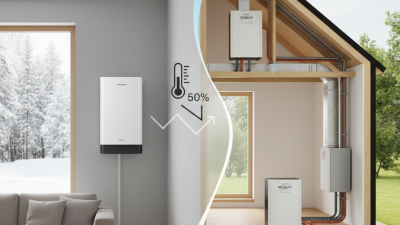
Solar heat pump technology has gained traction in recent years. It combines renewable solar energy with traditional heat pump systems. This hybrid approach allows for efficient heating and cooling. According to a report by the International Energy Agency, solar heat pumps can reduce overall energy consumption by 30% to 50% compared to conventional heating methods. This is significant considering global energy demands are continuously rising.
The benefits of solar heat pumps extend beyond energy savings. They provide a sustainable solution for both residential and commercial applications. By utilizing renewable solar energy, they help decrease carbon emissions. A study from the National Renewable Energy Laboratory states that solar heat pumps can cut greenhouse gas emissions by 40% on average. This reliance on solar power adds resilience against fluctuating fossil fuel prices.
Though the technology has advanced, challenges remain. System costs can still be a concern for potential users. Installation complexity can lead to increased expenses and time commitments. Many consumers may find it daunting to navigate available options. As the industry evolves, continuous improvements are necessary to enhance accessibility and affordability. Addressing these issues will be crucial for broader adoption, making it imperative for manufacturers to innovate further.
Key Features to Consider When Choosing a Solar Heat Pump Manufacturer
When selecting a solar heat pump manufacturer, consider their experience in the industry. Companies with a proven track record often offer better reliability. Look for years of operation and client testimonials. Engaging with manufacturers who have served diverse markets can indicate their adaptability and innovation.
Quality certification is another critical feature. Manufacturers should hold relevant certifications to ensure the products meet safety and performance standards. This factor reflects their commitment to producing efficient equipment. Examining product warranties can provide insights into their confidence in the longevity of their products.
After evaluating these aspects, consider the manufacturer's customer service. Responsive support can make a significant difference during installation or maintenance. Many buyers overlook after-sales service, but it’s vital for long-term satisfaction. Keep in mind the importance of ongoing support when making your choice.
Top 10 Solar Heat Pump Manufacturers in China: An In-Depth Review
As the demand for renewable energy solutions grows,
solar heat pumps have gained significant attention in China. These devices combine
solar energy with heat pump technology
to provide efficient heating and cooling.
In China, several manufacturers have emerged, showcasing innovation and
sustainability. They focus on energy efficiency and reduce
carbon footprints, appealing to eco-conscious consumers.
However, the market is not without its challenges. Some manufacturers face quality control issues,
which can lead to unreliable products.
Buyers often report mixed experiences regarding performance and customer support. It is essential for
potential buyers to conduct thorough research. Comparing specifications, efficiencies, and customer
reviews can help buyers make informed decisions.
In addition, regional variations in climate affect the performance of solar heat pumps. Some systems
perform better in certain areas than others. Buyers should consider local conditions when choosing a product.
Understanding these nuances can lead to better investments.
Solar heat pumps have the potential to revolutionize energy consumption but require careful
consideration to ensure reliability and efficiency.
Comparison of Technology and Innovations Among Leading Manufacturers
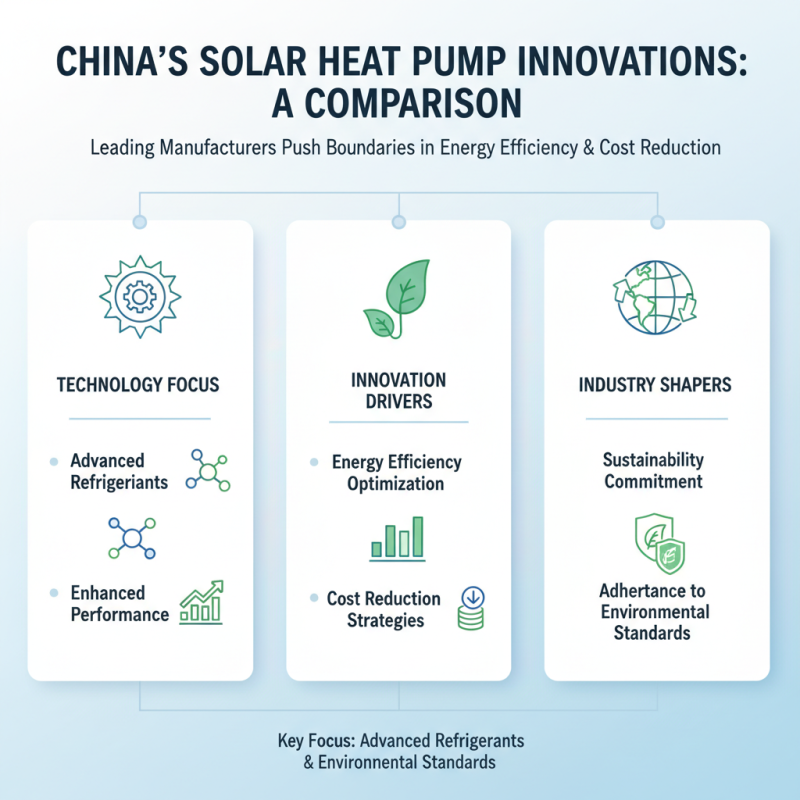
The solar heat pump market in China is vibrant, with numerous manufacturers pushing boundaries in technology and innovation. Each company adopts a unique approach to optimize energy efficiency and reduce costs. For example, many are experimenting with advanced refrigerants, aiming to enhance performance while adhering to environmental standards. This focus on sustainability is reshaping the industry.
Innovations are not limited to energy efficiency. Some manufacturers are integrating smart technology into their systems. This allows for better user control and system diagnostics. Homeowners can monitor performance in real-time, leading to more informed energy use. However, the rapid pace of change can be overwhelming. Not every product lives up to its claims, leaving customers questioning reliability.
Particularly notable is the competition in heat exchanger design. Companies are investing heavily in research. Sophisticated heat exchangers improve heat transfer efficiency. Yet, the complexity can lead to increased maintenance requirements. Buyers must weigh these factors carefully. The quest for innovation is essential but must be balanced with practical usability.
Market Trends and Future Outlook for Solar Heat Pumps in China
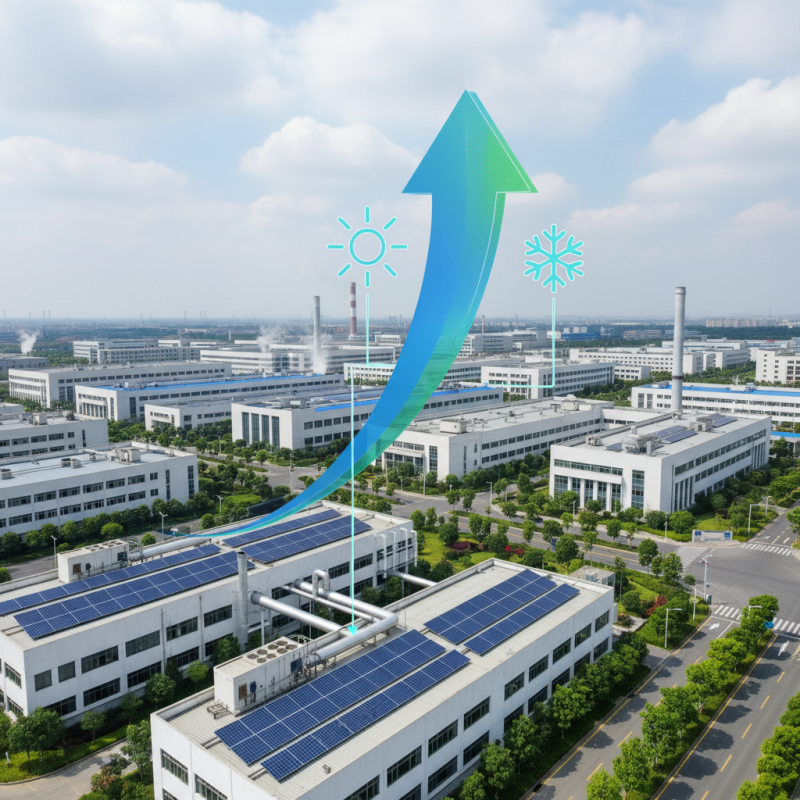
The solar heat pump market in China is evolving rapidly. Recent reports indicate that the market is projected to grow at a CAGR of 15% from 2023 to 2028. This growth can be attributed to increasing energy demands and the government’s push for renewable energy sources. Many consumers seek more sustainable heating solutions as environmental concerns rise.
High efficiency is a key driver in this sector. Advanced technologies now allow solar heat pumps to operate effectively in diverse climates, making them viable options for many regions. In 2022, the average efficiency rating of solar heat pumps increased by 10% compared to previous years. However, challenges still exist. Consumers often face issues with installation and maintenance. Furthermore, cost remains a significant barrier, especially for residential users.
Looking ahead, innovation will play a crucial role. Research shows that integrating smart technology can enhance user experience and efficiency. Market players must focus on education and service improvements to build trust. As uncertainties linger in technology adoption, stakeholders need to address these gaps. Only then can the true potential of solar heat pumps be realized in China.