2026 Top Heat Pump Trends for Global Buyers Insights?
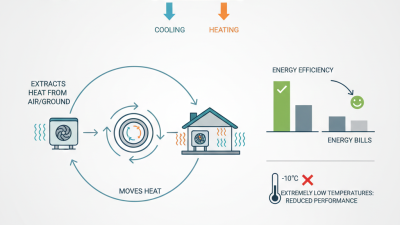
As we look toward 2026, the landscape of heating technology is evolving rapidly. Heat pumps are becoming increasingly important for global buyers seeking sustainable energy solutions. These devices not only enhance energy efficiency but also reduce carbon footprints significantly.
In recent years, innovations in heat pump technology have transformed market dynamics. From residential heating needs to industrial applications, consumers are now able to enjoy improved performance and greater reliability. However, some challenges remain, particularly around installation practices and efficiency standards. This ongoing evolution asks us to be critical of our choices and to seek out trusted suppliers who prioritize quality.
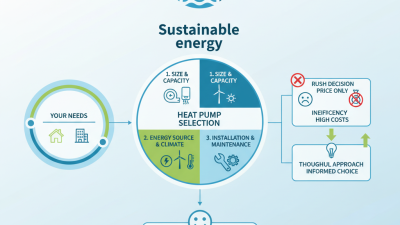
Navigating this complex terrain requires insight and understanding of the latest heat pump trends. Collaborating with reputable experts can help buyers make informed decisions. Trustworthiness and expertise will guide us as we embrace the future of heating technology in a sustainable world.
Emerging Technologies in Heat Pump Systems for 2026 Buyers
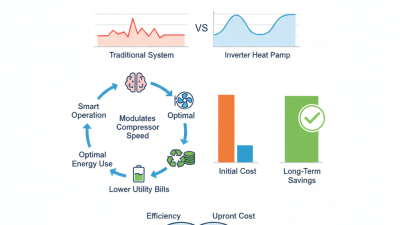
The landscape of heat pump technology is evolving rapidly. For global buyers in 2026, several emerging technologies will significantly impact efficiency and sustainability. One major trend is the integration of smart controls into heat pump systems. These systems can analyze energy usage patterns to optimize performance. According to the International Energy Agency, improved controls can enhance system efficiency by up to 30%.
Another noteworthy advancement involves the use of variable refrigerant flow (VRF) systems. These systems are gaining traction, especially in commercial applications. Their ability to provide precise temperature control while minimizing energy consumption is appealing. A recent report by MarketsandMarkets highlights that VRF systems could grow at a compound annual growth rate of over 10% through 2026.
As you explore these technologies, consider the installation environment. Various factors like climate and building type can influence the effectiveness of a heat pump system. Understanding these dynamics is crucial for maximizing performance.
Staying informed about local incentives can also bolster your decision-making process. Many regions offer rebates for energy-efficient upgrades, making high-performance heat pumps more affordable. Keep an eye on evolving regulations as these can impact long-term savings.
Global Market Demand Growth: Heat Pump Adoption Statistics for 2026
The heat pump market is poised for significant growth by 2026. According to recent industry reports, global demand for heat pumps is expected to increase by over 25% annually. This surge is driven by rising energy costs and the push for sustainable heating solutions. In regions like Europe and North America, the adoption rates are expected to reach upwards of 30% in residential applications.
Data from the International Energy Agency highlights that heat pumps can reduce energy consumption by up to 50% compared to traditional systems. This efficiency is appealing to both consumers and governments aiming for lower carbon emissions. However, some consumers remain hesitant due to upfront costs and installation challenges. It’s crucial for buyers to balance initial expenses against long-term savings.
The technological landscape is also evolving. New heat pump designs are more compact and efficient, improving energy use in smaller spaces. Yet, installation practices vary widely across regions, leading to inconsistent performance. Adopting best practices for installation can maximize efficiency, but many installations still fall short. This inconsistency presents an opportunity for improvement within the industry. Buyers should seek not just products, but educated installers who can deliver optimal performance.
2026 Global Heat Pump Adoption Statistics
Sustainability Trends: Energy Efficiency Ratings and Regulations in 2026
In 2026, sustainability continues to drive the heat pump industry. Energy efficiency ratings will undergo significant changes. Regulatory bodies are tightening standards. This shift aims to promote greener technologies among manufacturers and consumers.
Buyers must navigate complex energy labels. Understanding these ratings is essential. The push for more efficient models can be daunting. Some consumers may feel overwhelmed by the details. They must rely on expert guidance or reliable resources for clarity.
Moreover, regulations are evolving rapidly. Compliance can be challenging for producers and buyers alike. It is crucial to monitor both local and international standards. This constant change can lead to confusion. Keeping abreast of developments in energy efficiency is vital to making informed decisions. Adaptation will be key for all stakeholders.
Impact of Climate Change on Heat Pump Design Innovations by 2026
The impact of climate change is profound, and it's reshaping the heat pump industry. Innovations in design must now consider rising temperatures and unpredictable weather patterns. Manufacturers are exploring materials that can withstand extreme conditions, improving durability and efficiency. Redesigning components aids in enhancing overall performance, even in fluctuating climates.
Energy efficiency remains a critical focus. New models are expected to utilize advanced technologies that optimize energy use and reduce emissions. These improvements are essential for meeting global climate goals. Buyers will likely seek systems that deliver better performance with lower operational costs, making the market more competitive and demanding.
Innovation isn't without challenges. Many designs are in research phases and may require extensive testing. Performance under various environmental conditions needs assessing. While promising, there is still uncertainty about how these changes will materialize in the real world. It's important to critically evaluate emerging technologies to ensure practical solutions contribute to combating climate change effectively.
Consumer Preferences: Key Factors Influencing Heat Pump Purchases in 2026
In 2026, consumer preferences for heat pumps will be shaped by critical factors including energy efficiency, cost savings, and environmental impact. According to industry research, nearly 70% of homebuyers prioritize energy-efficient systems. A heat pump’s efficiency is often measured by its coefficient of performance (COP). Higher COP ratings imply better performance, leading to substantial electricity savings.
Installation cost remains a major consideration. Data from the Global Heat Pump Market Report indicates that 55% of consumers are influenced by upfront costs. However, buyers increasingly recognize long-term savings on utility bills can outweigh initial investments. This reflects a growing awareness of heat pumps as an eco-friendly option for heating and cooling.
Tips for buyers include researching available incentives. Many regions offer rebates for environmentally friendly appliances. Additionally, comparing installation companies can yield better pricing options. Consider maintenance when selecting a unit; reliable systems may require less upkeep. As consumer awareness rises, the shift toward heat pumps is an important trend to monitor. Choices made today can significantly impact future energy bills and environmental health.
2026 Top Heat Pump Trends for Global Buyers Insights
| Factor |
Importance (% of Respondents) |
Trends in Preferences |
| Energy Efficiency |
78% |
Increasing focus on SEER and HSPF ratings |
| Cost |
65% |
Demand for affordable systems continues |
| Environmental Impact |
70% |
Preference for eco-friendly refrigerants |
| Brand Reputation |
55% |
Reliability and service history matter |
| Technology Features |
60% |
Smart technology and control options favored |