Top 10 Benefits of Heat Pumps for Global Buyers?
As the world increasingly shifts towards sustainable energy solutions, heat pumps emerge as a game changer. Renowned industry expert Dr. Emily Carter states, "Heat pumps are not just a technology; they symbolize a future where energy efficiency meets environmental responsibility." This pivotal technology offers global buyers substantial benefits, including reduced energy costs and lower carbon emissions.
Heat pumps harness renewable energy from the environment. This means they can extract heat from the air, ground, or water. As a result, they often use less electricity than traditional heating systems. Imagine a home where heating and cooling are efficient and sustainable. However, many consumers still feel uncertain about the long-term savings and effectiveness of heat pump systems.
There is much to reflect on when considering heat pumps. While they can lower heating costs, they may have higher upfront installation expenses. Additionally, not all climates are equally suited for heat pump efficiency. Buyers should weigh the pros and cons carefully. Nonetheless, the potential advantages of heat pumps are clear and compelling, signaling a move towards a more sustainable energy future.
Understanding the Functionality of Heat Pumps in Various Climates
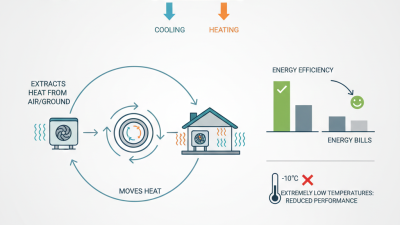
Heat pumps are becoming popular worldwide due to their versatility. They function by transferring heat from one place to another. In colder climates, they can extract heat from the outside air and deliver it indoors. This process allows homes to maintain a comfortable temperature, even in winter. Similarly, in warmer regions, heat pumps work in reverse to cool indoor spaces. This dual functionality makes them a practical choice for many homeowners.
The efficiency of heat pumps can vary based on climate. In mild climates, their energy consumption is significantly lower compared to traditional heating and cooling systems. However, in extremely cold areas, their performance may decrease. It's essential for buyers to consider local conditions and choose a system designed for their climate. Some users find that heat pumps struggle to provide sufficient heat during severe winters, which can lead to discomfort.
Investing in a heat pump requires careful consideration. Homeowners should evaluate their specific needs and local weather patterns. While heat pumps can save energy and reduce costs, not all models may suit every environment. Understanding this can lead to better long-term satisfaction.
Energy Efficiency: Reducing Energy Consumption and Costs with Heat Pumps
Heat pumps are becoming increasingly popular for their energy efficiency. They transfer heat instead of generating it, which reduces energy consumption. For each unit of electricity used, heat pumps can produce multiple units of heating or cooling. This characteristic makes them far more efficient than traditional heating systems.
Reducing energy costs is a significant benefit of heat pumps. Many households and businesses report savings on their energy bills after installation. Moreover, these systems can operate in various climates. They can heat in winter and cool in summer, providing year-round comfort. However, the upfront investment can be high. Potential buyers should consider whether the long-term savings justify the initial expenditure.
When evaluating heat pumps, specific details matter. Location, insulation, and usage patterns can influence performance. Understanding these factors is crucial for optimal efficiency. Regular maintenance is necessary for sustained benefits. Neglecting it can lead to reduced effectiveness over time. Buyers may feel overwhelmed by choices. Consulting energy experts can help make informed decisions. Each situation is unique, and there is no one-size-fits-all solution.
Top 10 Benefits of Heat Pumps for Global Buyers
| Benefit |
Description |
Energy Savings (%) |
CO2 Emission Reduction (kg/year) |
| Energy Efficiency |
Heat pumps can significantly reduce energy consumption compared to conventional heating methods. |
50-70% |
800-1200 kg |
| Cost Effectiveness |
Lower operational costs lead to financial savings over time. |
20-30% |
400-600 kg |
| Versatility |
Heat pumps can provide both heating and cooling solutions. |
N/A |
N/A |
| Environmental Impact |
Lower greenhouse gas emissions contribute to a cleaner environment. |
N/A |
1000-1500 kg |
| Durability |
Heat pumps have a longer lifespan compared to conventional systems. |
N/A |
N/A |
| Low Maintenance |
Requires less maintenance compared to traditional heating systems. |
N/A |
N/A |
| Government Incentives |
Many regions offer financial incentives for heat pump installations. |
N/A |
N/A |
| Home Value Increase |
Energy-efficient homes may see a rise in property value. |
N/A |
N/A |
| Enhanced Comfort |
Provides consistent temperature and improves indoor air quality. |
N/A |
N/A |
Environmental Impact: The Role of Heat Pumps in Reducing Carbon Footprint
Heat pumps play a vital role in reducing the carbon footprint of residential and commercial spaces. According to the International Energy Agency (IEA), heat pumps can reduce greenhouse gas emissions by up to 50% compared to traditional heating systems. This significant reduction arises from their efficiency. They transfer heat rather than produce it, using one unit of electricity to generate three to four units of heating or cooling.
The potential of heat pumps extends beyond immediate energy savings. Reports indicate that widespread adoption could result in a collective decrease of 2.5 gigatons of CO2 emissions by 2030. In addition, buildings account for nearly 40% of global energy-related emissions. By leveraging heat pump technology, we could drastically lower this figure. The efficiency gains not only contribute to environmental benefits but also create more sustainable living conditions.
However, there are challenges to consider. The initial installation costs may deter some buyers. While running costs are lower over time, the upfront investment requires evaluation. Additionally, the effectiveness of heat pumps varies by climate. In regions with extreme temperatures, their performance can diminish. Addressing these nuances is essential for broader acceptance and optimizing the positive impact of heat pumps on our environment.
Versatility of Heat Pumps: Heating, Cooling, and Hot Water Solutions
Heat pumps have become a popular choice for homeowners seeking efficient climate control solutions. They can provide heating, cooling, and hot water all in one system. This versatility is a game changer. With a heat pump, you can easily switch between heating in winter and cooling in summer. This adaptability simplifies home management and often lowers energy bills.
Installing a heat pump may require an initial investment, but the long-term benefits often outweigh these upfront costs. They use renewable energy from the air or ground to function, significantly reducing environmental impact. Moreover, they can contribute to energy savings in various conditions. However, the efficiency of heat pumps can vary based on the climate and proper installation. Homeowners should carefully assess their needs and consult professionals for optimal results.
Despite their many advantages, heat pumps are not without challenges. Some models may struggle in extremely cold temperatures. Homeowners should be aware of these limitations and plan accordingly. It’s important to evaluate local conditions and maintenance needs regularly. Balancing installation costs and potential savings requires reflection and consideration. Ultimately, heat pumps offer a promising solution for energy-efficient home climate control.
Long-term Financial Benefits: Incentives and Savings through Heat Pump Use
Heat pumps are gaining traction globally due to their long-term financial benefits. According to the U.S. Department of Energy, homeowners can save between 30% to 60% on heating costs compared to conventional systems. This significant reduction not only boosts household budgets but also impacts energy consumption on a larger scale. The transition to heat pumps aligns with global moves to reduce carbon footprints, making it a financially wise choice for eco-conscious buyers.
Incentives play a crucial role in making heat pumps affordable. Many governments offer tax credits and rebates for installations, encouraging more households to switch. Recent reports from the International Energy Agency indicate that these incentives can lower the upfront costs by as much as 40%. While the initial investment can be substantial, the return on investment often materializes within just a few years. However, potential buyers must conduct thorough research on local programs, as benefits vary by location.
Despite the clear financial advantages, challenges exist. Installation complexity can deter some homeowners. Not every home is suited for a heat pump, leading to disappointment if expectations are misaligned. Consulting with a professional is essential to gauge compatibility. While the future of heat pumps looks promising, ongoing assessment is necessary to ensure they meet evolving energy standards and market demands.