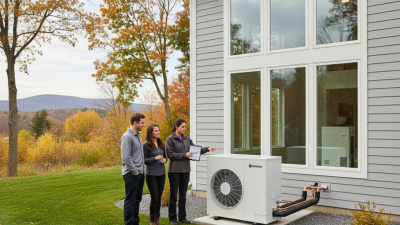
Top 10 Benefits of High Temperature Heat Pumps for Buyers?
High Temperature Heat Pumps are revolutionizing the way we think about heating. They provide an efficient solution tailored to various temperature needs. This technology is gaining traction among homeowners and businesses alike.
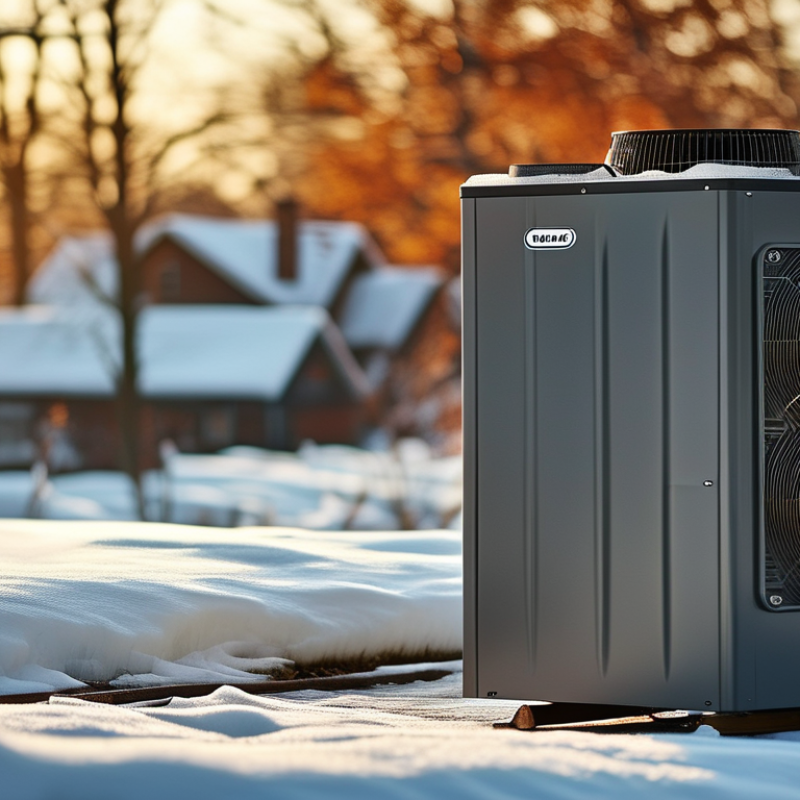
With a growing focus on sustainability, High Temperature Heat Pumps stand out as a reliable choice. They can efficiently heat spaces, reducing energy bills and carbon footprints. Buyers appreciate their versatility, as they work well even in colder climates.
However, not all users experience seamless integration. Some challenges can arise, leading to questions about efficiency in particular setups. It's essential to consider how these systems fit into your existing infrastructure. High Temperature Heat Pumps could change your heating experience, but it's crucial to weigh all factors carefully.
Understanding High Temperature Heat Pumps and Their Functionality
High temperature heat pumps (HTHPs) have gained traction in recent years. Their functionality hinges on utilizing electricity to provide heating. Unlike traditional systems, HTHPs can efficiently raise temperatures to 65°C (149°F) or higher, making them suitable for various applications. According to the International Energy Agency (IEA), these systems can reduce energy consumption by up to 35% compared to conventional boilers.
HTHPs work by extracting ambient heat from the air or ground. This process allows them to operate efficiently even in colder climates. A report from the European Commission indicates that integrating HTHPs can meet 70% of heating needs in residential and commercial buildings. This capability can significantly lower carbon emissions, aligning with sustainability goals.
Despite their advantages, some challenges remain. The initial investment for HTHPs can be high. Market awareness and technical expertise may also be lacking. Users must understand the installation and maintenance requirements to harness their full potential. Therefore, while HTHPs offer substantial benefits, careful consideration is necessary.
Cost Efficiency: How High Temperature Heat Pumps Save Money for Buyers
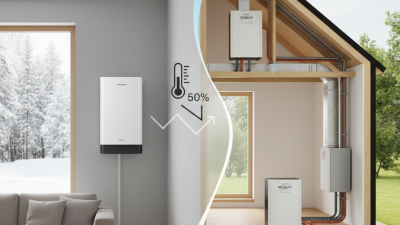
High temperature heat pumps offer significant cost savings for buyers. These systems use ambient air or ground heat to generate hot water efficiently. By utilizing renewable energy sources, they reduce reliance on traditional heating methods, resulting in lower utility bills. Homeowners can experience savings of up to 50% on heating costs. This makes high temperature heat pumps a smart investment for budget-conscious buyers.
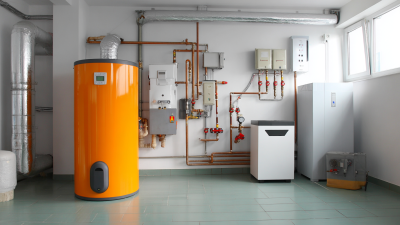
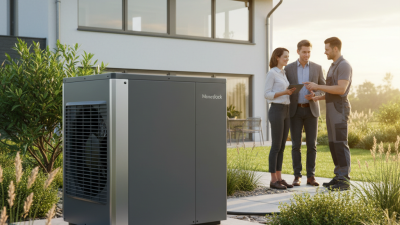
Consider your home's insulation. A well-insulated home maximizes the efficiency of heat pumps. Inadequate insulation can lead to wasted energy and increased costs. Regularly checking insulation can help identify areas for improvement. Additionally, choosing a proper installation site for your heat pump can influence performance. Take time to assess your property before installation.
Maintenance is key to long-term savings. Regular servicing keeps the system running smoothly. Neglecting maintenance can lead to higher operational costs over time. A well-maintained heat pump will maintain its efficiency, ensuring that you enjoy the financial benefits it provides. Always keep an eye on the unit's filters and components for optimal operation. This proactive approach enhances reliability and cost efficiency.
Environmental Impact: Reducing Carbon Footprint with Heat Pumps
High temperature heat pumps significantly reduce your carbon footprint. The International Energy Agency reports that heat pumps can cut energy use by up to 50% compared to conventional heating systems. This reduction directly translates to lower greenhouse gas emissions. By replacing fossil fuel-based systems, these pumps contribute to a cleaner environment.
In urban areas, the impact is even more pronounced. Replacing traditional boilers with heat pumps can prevent the release of significant amounts of CO2. A study from the US Department of Energy indicated that widespread adoption could lower carbon emissions by 1.25 gigatons annually by 2030. This change not only benefits the environment but also promotes sustainable living.
However, challenges remain. Not all heat pumps operate efficiently in every climate. Their effectiveness can vary depending on installation and local conditions. Therefore, careful planning and consultation with experts are essential. Potential buyers should weigh these factors against benefits. Understanding these nuances ensures a responsible approach to purchasing heat pumps.
Versatility in Applications: Heating for Residential and Commercial Use
High temperature heat pumps are gaining traction in both residential and commercial sectors. They provide heating solutions that adjust to various needs. For homes, they offer warmth without relying on traditional gas or oil systems. This not only reduces carbon emissions but also enhances energy efficiency. Homeowners appreciate how these systems can maintain comfortable living conditions even in colder climates.
In commercial settings, the versatility of high temperature heat pumps shines. Factories and warehouses use them to provide consistent heat for processes and employee comfort. These systems can easily integrate with existing infrastructures. Their ability to operate at higher temperatures allows businesses to maintain productivity year-round. Additionally, they present an opportunity for companies to reduce their energy expenses.
However, challenges exist. Initial installation costs can be high, and some users may need time to adapt. Maintenance is essential for efficiency, and not all providers offer reliable service. Balancing cost and efficiency requires careful consideration. Buyers should weigh these factors when exploring heat pump options.
Top 10 Benefits of High Temperature Heat Pumps
Long-Term Reliability and Maintenance of High Temperature Heat Pumps
High temperature heat pumps offer long-term reliability and require minimal maintenance compared to traditional heating systems. These pumps operate efficiently in various climates. They can provide heating even in extreme conditions, ensuring consistent warmth in your home or business.
Regular maintenance is essential for optimal performance. Owners should schedule annual inspections to check for wear and tear. Components like filters and fans need attention. Neglecting these can lead to inefficiencies. Users often overlook issues until they escalate. This can lead to costly repairs and downtime.
Despite their reliability, high temperature heat pumps may experience hiccups. Users sometimes report weird noises or fluctuating temperatures. Troubleshooting can be daunting without the right expertise. It’s crucial to understand these systems, even at a basic level.
Seeking professional help is advisable, particularly if the solutions are beyond your skills. This will enhance your system's longevity and save money in the long run.