Leave Your Message
Choosing an Evi Heat Pump supplier for international projects requires more than comparing catalog prices. Buyers must examine heating capacity, seasonal efficiency, refrigerant selection, operating temperatures, and local service support. A unit that performs well in a mild coastal climate may struggle during a long continental winter. Small details matter.
This guide reviews five leading Evi Heat Pump suppliers for global buyers. It focuses on practical evidence, including product testing, published performance data, manufacturing experience, certifications, warranty terms, and technical assistance. We also consider compressor technology, low-ambient operation, noise levels, controller compatibility, and spare-parts availability. These factors can influence installation risk and long-term operating costs.
No supplier is perfect. That is worth remembering. Marketing figures may reflect controlled laboratory conditions rather than a real building with fluctuating demand. Therefore, each company should be judged against the buyer’s climate, project size, grid conditions, and installation standards. Feedback from installers and existing customers can reveal issues that brochures omit.
The selected suppliers represent different strengths, including commercial systems, residential solutions, customized equipment, and export capability. Their positions may change as technologies, regulations, and supply chains develop. Readers should verify current certifications and regional support before signing a contract. A careful comparison can reduce costly mistakes and support reliable heating performance across diverse markets.
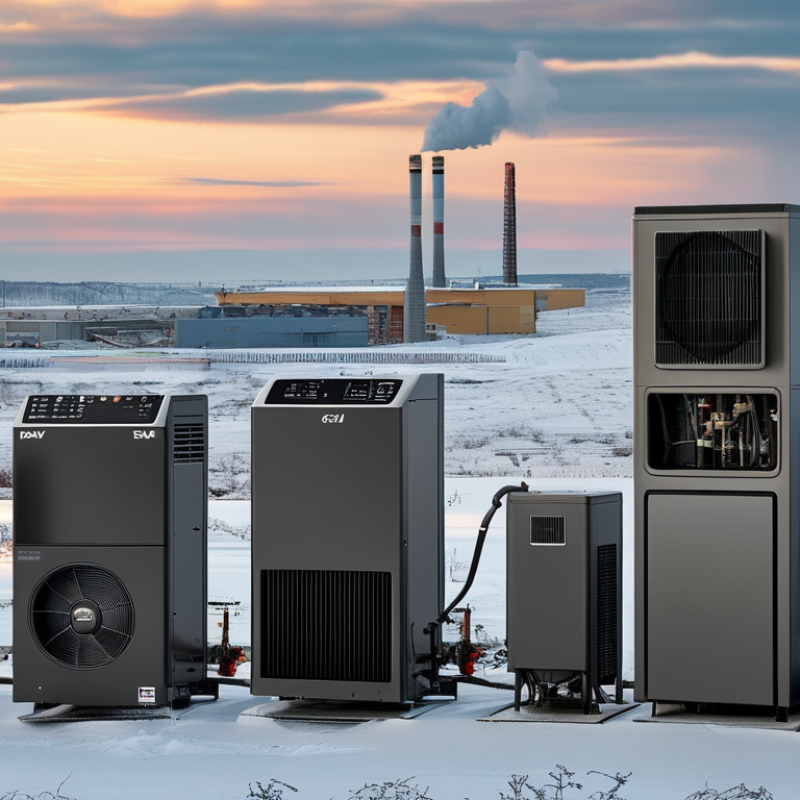
What makes an EVI heat pump supplier suitable for global buyers? The answer extends beyond a low factory price. Enhanced vapor injection can improve heating performance in cold climates, but only when the compressor, controls, heat exchanger, and refrigerant circuit work together. The IEA’s The Future of Heat Pumps report estimates that heat pumps could reduce global carbon dioxide emissions by at least 500 million tonnes annually by 2030. This potential increases the need for verified performance, not attractive brochures.
A reliable supplier should provide test results at practical conditions, such as -15°C outdoor temperature, high water temperatures, and partial-load operation. Ask for COP, sound levels, defrost logic, electrical limits, and seasonal efficiency data. Independent laboratory reports and recognized safety certifications matter. So do local spare parts, multilingual manuals, remote diagnostics, and trained service partners. The European Heat Pump Association has repeatedly highlighted installer skills and after-sales capacity as major market factors. A supplier may offer excellent hardware, yet weak technical support can create expensive delays. That uncomfortable detail is often ignored.
Tips: Request three years of failure-rate data, not only warranty promises. Check compressor protection during voltage fluctuations. Confirm refrigerant availability in your target market. Compare delivered cost, service response time, and documentation quality. A slightly lower COP is not always a failure; real climate data and correct installation may matter more. Global buyers should test a pilot unit before placing a large order. Mistakes still happen, even with experienced suppliers.
| Supplier Profile | Best-Fit Application | Typical Heating Capacity | Typical Design Air Temperature | Typical Leaving Water Temperature | EVI and Compressor Configuration | Common Low-GWP Refrigerant Options | Recommended Performance Evidence | Global-Buyer Advantages | Key Verification Points |
|---|---|---|---|---|---|---|---|---|---|
| 1. Cold-Climate Residential Supplier | Detached homes, small apartment buildings, underfloor heating, fan-coil units and domestic hot-water systems. | Approximately 5–20 kW per unit | Approximately −25°C to 43°C | Approximately 55–60°C for normal heating operation | Variable-speed compressor with vapor-injection EVI circuit; monobloc or split-system options. | R290 R32 | Capacity and COP data tested in accordance with EN 14511; seasonal performance data based on EN 14825; sound data and low-ambient operating limits. | Strong fit for markets with cold winters, compact residential installations and a need for stable capacity at low ambient temperatures. | Confirm defrost strategy, minimum operating temperature, backup heater control, electrical standards, safety classification and availability of replacement components. |
| 2. High-Temperature Retrofit Supplier | Existing buildings using radiators, replacement of oil or gas boilers, renovation projects and domestic-hot-water upgrades. | Approximately 10–50 kW per unit | Approximately −20°C to 43°C | Approximately 65–75°C, depending on operating conditions | EVI scroll or rotary compressor with high-temperature control logic; often supplied as a split or modular system. | R32 R290 | Independent or laboratory test data at high leaving-water temperatures, part-load efficiency, maximum discharge temperature and hot-water recovery performance. | Reduces radiator replacement requirements and can support low-temperature retrofit projects while maintaining useful hot-water temperatures. | Verify actual capacity at 65–75°C, compressor discharge protection, water-flow requirements, anti-legionella control and compatibility with local refrigerant regulations. |
| 3. Light-Commercial Modular Supplier | Small hotels, schools, offices, retail premises, clinics and multi-zone hydronic heating systems. | Approximately 20–80 kW per unit or module | Approximately −25°C to 45°C | Approximately 55–70°C | Multiple inverter modules with EVI compressors, cascade sequencing, lead-lag control and remote monitoring capability. | R32 R290 | EN 14511 capacity and efficiency data, EN 14825 seasonal data, cascade-control documentation, operating sound levels and hydraulic performance information. | Provides redundancy, staged capacity control and easier transport compared with a single large system. | Check cascade communication protocol, maximum number of modules, hydraulic separation requirements, service access and local electrical protection standards. |
| 4. Large-Commercial Hydronic Supplier | Apartment complexes, district-energy substations, hospitals, universities, data-support facilities and large commercial buildings. | Approximately 50–200 kW per unit; larger systems may use cascades | Approximately −20°C to 45°C | Approximately 55–65°C | High-efficiency EVI scroll or semi-hermetic compressor packages with multiple circuits, cascade sequencing and building-management integration. | R290 R32 Application-specific low-GWP options | Full-load and part-load testing, seasonal efficiency calculations, EN 378 or equivalent refrigerant-safety documentation, hydraulic schematics and controls-integration data. | Suitable for projects requiring scalable output, redundancy, remote supervision, long operating hours and professional commissioning support. | Confirm project references, service response time, spare-parts inventory, warranty terms, commissioning responsibility and compatibility with the buyer's building-management system. |
| 5. Industrial and Process-Heating Supplier | Low-temperature process heat, food and beverage facilities, warehouses, agricultural buildings, heat-recovery projects and industrial hot-water systems. | Approximately 100–500 kW per system; engineered systems can be larger | Approximately −15°C to 45°C, depending on system design | Approximately 70–85°C in high-temperature configurations | Custom EVI package with multiple compressors, oil-management controls, plate or shell-and-tube heat exchangers and optional heat recovery. | R290 R1234ze Other application-specific low-GWP refrigerants | Factory performance testing, process-load calculations, operating envelope data, pressure-vessel documentation, refrigerant-safety assessment and documented heat-recovery performance. | Offers higher supply temperatures, custom hydraulic design and potential energy savings when waste heat or return-water heat is available. | Verify process-temperature stability, duty-cycle performance, corrosion resistance, hazardous-area requirements, installation conditions and the supplier's engineering capability. |