Leave Your Message
AI Helps Write

10 Best Monoblock Heat Pumps for Home Heating in 2026

Choosing one of the 10 Best Monoblock Heat Pumps for Home Heating in 2026 means looking beyond a glossy efficiency rating. A Monoblock Heat Pump keeps its refrigerant circuit outdoors, while water carries heat into the home. That layout can simplify installation, but it still demands careful planning. Pipe insulation, frost protection, outdoor-unit clearance, and sound levels all matter on a cold, quiet night.

Energy-policy researcher Jan Rosenow has publicly advocated heat pumps as an important part of cleaner heating. A fair paraphrase of his position is that the technology works best when homes and heating systems are prepared for it; this is a paraphrase, not a verbatim quotation. In practice, that means checking radiator size, insulation, flow temperature, and the household’s real heat demand. A unit that looks excellent on paper may disappoint if it is oversized or paired with unsuitable emitters.

The details matter. This guide compares models by heating capacity, seasonal efficiency, operating range, controls, noise, warranty, and installer support. It also considers practical limits, including space for the outdoor unit and how the system handles very low temperatures. No product is ideal for every property. A small, well-insulated home has different needs from a draughty house with older radiators. Use the comparisons as a starting point, then ask a qualified installer to check the design and local conditions. A little skepticism helps. Ratings are useful, but measured performance depends on the whole system, not the heat pump alone.
10 Best Monoblock Heat Pumps for Home Heating in 2026

What a Monoblock Heat Pump Is and How It Heats a Home

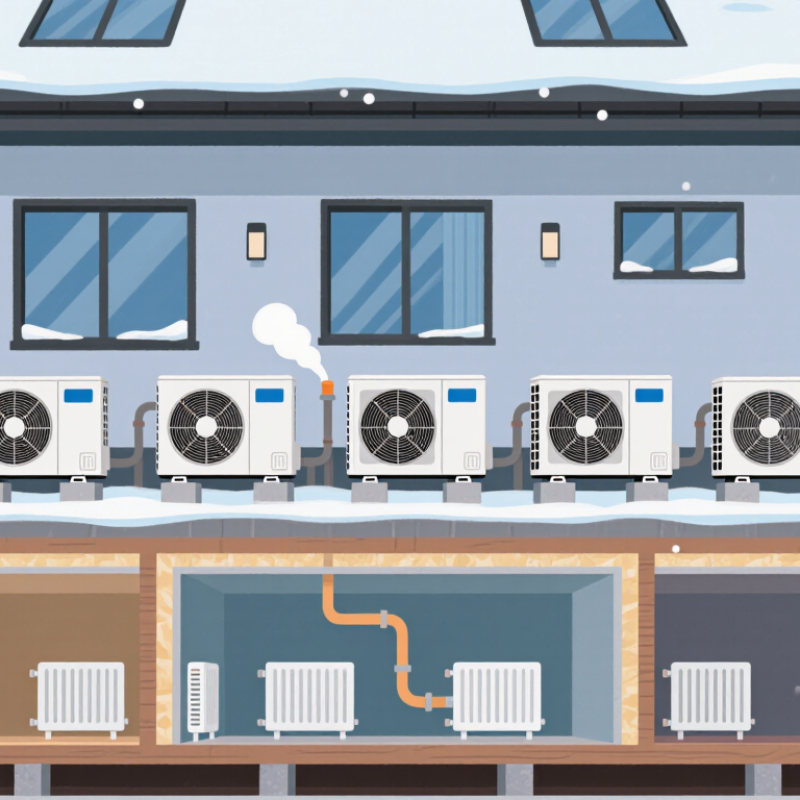
A monoblock heat pump houses its refrigerant circuit in one outdoor cabinet. A fan pulls air across a coil, where refrigerant absorbs heat. The compressor raises its temperature, and a heat exchanger transfers that energy to water. Pipes carry the heated water indoors to radiators, underfloor loops, or a hot-water cylinder. No refrigerant lines need to pass through the house. Neat, but not magic.

The International Energy Agency’s 2022 report, The Future of Heat Pumps, says heat pumps are typically three to five times as energy-efficient as gas boilers. That is a broad comparison, not a promise about every home. On a damp winter morning, a unit may pause to defrost. As outdoor temperatures fall, its output and efficiency can also decline. Radiator size, water temperature, and system controls matter. Monoblocks send water outdoors, too, so exposed pipes need good insulation and freeze protection. A small detail. A costly one if overlooked.

The U.S. Department of Energy says air-source heat pumps can cut heating electricity use by about 50% compared with electric resistance heating. That figure does not compare them with gas boilers, and actual results depend on climate and equipment. Ask for estimates based on local winter temperatures, not only mild test conditions. Check the proposed outdoor-unit location and condensate drainage as well; brochures rarely show icy paving beside a machine.

How to Evaluate Monoblock Heat Pumps for Home Heating

A monobloc heat pump keeps its refrigerant circuit outdoors and sends heated water into the home. To evaluate one, start with a room-by-room heat-loss calculation, not the floor area alone. Check its output at your local winter design temperature; a unit’s headline capacity may fall in colder weather. Numbers need context. Seasonal efficiency figures also depend on test conditions and may not match your home’s results.

Compare the required water temperature with your radiators or underfloor heating. A system that can heat rooms using cooler water may run more efficiently, but older, small radiators might need upgrading. Check outdoor noise ratings, clearance for airflow, and where defrost water will drain. Ask how exposed water pipes are protected against freezing, following the installation manual and local conditions.

Tips: Request the heat-loss assumptions and the proposed flow temperature in writing. Ask for expected performance at a cold outdoor temperature, not only a mild one. Measure twice. A site visit can reveal awkward details, such as a narrow side passage or bedrooms near the outdoor unit. I would not judge a system by efficiency figures alone; installation quality and controls matter, too. Even careful estimates carry uncertainty, so compare the assumptions rather than treating any forecast as a promise.

10 Best Monoblock Heat Pumps for Home Heating in 2026

Choosing among the 10 best monoblock heat pumps for home heating in 2026 starts with your climate and home. A monoblock unit keeps its refrigerant circuit outdoors, which can simplify indoor installation. Strong candidates include cold-weather models, quiet units for close neighbors, and compact systems for small properties. High-temperature options may suit homes with existing radiators, while low-temperature systems often pair well with underfloor heating. There is no universal winner. Output, efficiency, and operating noise depend on test conditions and installation.

A useful shortlist also considers modulation range, defrost behavior, controls, and service access. Look for published performance figures at several outdoor temperatures, not just a single headline rating. Check whether the unit can meet your home’s heat loss on the coldest design days. An oversized system may cycle too often; an undersized one may need backup heat. Details matter. Installer skill matters, too. Product data can be incomplete, so compare the same test points and ask how local support is handled.

Tips: Request a room-by-room heat-loss calculation before choosing capacity. Ask for the expected flow temperature and sound level at your property boundary. Confirm where condensate will drain, and whether the outdoor unit needs a clear path for airflow. Keep a little skepticism: projected savings are estimates, not guarantees. A well-sized, carefully commissioned system is usually a better choice than the most impressive brochure figure.

10 Best Monoblock Heat Pumps for Home Heating in 2026 — Practical Selection Guide
# Best-fit category Useful specification or benchmark Best suited to What to verify before choosing
1 Low-temperature heating Designed to heat water at lower flow temperatures, commonly around 30–45°C in suitable systems. Underfloor heating and generously sized radiators. Check heat output and efficiency at the design outdoor temperature and required water temperature—not only at mild test conditions.
2 Existing radiator systems Compare performance at the flow temperature the home actually needs; radiator systems may require warmer water than underfloor heating. Homes retaining existing radiators. Confirm radiator output room by room. Larger radiators or improved insulation may allow lower flow temperatures.
3 Cold-climate operation Check declared heating capacity and operating limits at low outdoor temperatures. Homes in areas with prolonged winter cold. Request performance data at the local winter design temperature, including any defrost effects and backup-heater use.
4 High-temperature retrofit Some units can supply hotter water, but efficiency generally depends on the temperature lift required. Older homes where radiator upgrades are limited. Verify capacity and efficiency at the specified high flow temperature; do not rely on maximum outlet-temperature claims alone.
5 Domestic hot-water use Check whether the system supports a separate hot-water cylinder and its required reheating cycle. Households using the heat pump for space heating and hot water. Confirm cylinder compatibility, controls, recovery time, and how any required high-temperature sanitation cycle is achieved.
6 Quiet outdoor installation Compare sound-power data, which is more suitable for product comparison than sound-pressure readings taken at different distances. Installations near bedrooms, boundaries, or neighbouring homes. Check the declared sound level, operating mode, installation clearances, and local noise requirements.
7 Compact installation space Monoblock units place the refrigerant circuit outdoors and connect to the indoor heating system with water pipes. Homes seeking to avoid indoor refrigerant-pipe runs. Allow for airflow, service access, condensate drainage, and protection of water connections against freezing.
8 Freeze-protected hydronic system Outdoor water-bearing sections need a freeze-protection strategy appropriate to the system design. Any installation where water pipes or components are exposed to freezing conditions. Ask the installer to document the chosen protection method, power-failure provisions, and maintenance requirements.
9 Variable-load operation Modulating capacity can help a system follow changing heating demand; minimum output matters as well as maximum output. Homes with mild-weather loads that are much lower than peak winter demand. Compare the unit’s minimum and maximum output with the home’s calculated heat loss to reduce unnecessary cycling.
10 Accurately sized system System capacity should be selected from a room-by-room heat-loss calculation at the local design temperature. Any home being newly fitted with a heat pump. Request the heat-loss calculation, design flow temperature, electrical requirements, and a clear estimate of backup-heater operation.

Note: This is a product-neutral selection guide, not a ranking of specific models. Actual capacity, efficiency, sound levels, and operating limits vary by unit and installation. Compare manufacturer data measured under the same test conditions, and have the system sized for the home’s calculated heat loss.

How to Choose a Model for Your Home and Climate

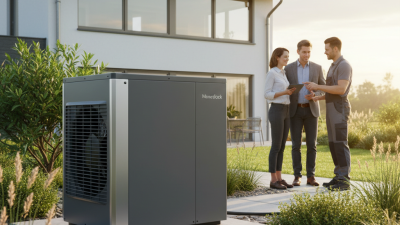
Choosing a monoblock heat pump starts with your home’s heat loss, not its floor area. Ask an installer to calculate room-by-room demand and check radiator sizes, insulation, and required water temperature. In a drafty house, a small unit may struggle on a freezing night. Too large can also cycle inefficiently. Check the model’s heating capacity at your local design temperature, not just its headline output at mild conditions. Look for published low-temperature performance and defrost data. The outdoor unit needs clear airflow, a stable base, and sensible distance from bedroom windows. Small details matter.

Climate shapes running costs. The International Energy Agency’s 2022 report, The Future of Heat Pumps, says heat pumps typically deliver three to five units of heat per unit of electricity. Actual seasonal performance varies with weather, system temperature, installation, and controls. In colder regions, compare output near the winter design temperature and confirm backup-heater settings. In milder areas, quiet operation and cooling capability may matter more. Check whether the unit can meet your home’s needs with existing radiators; lowering water temperature can improve efficiency, but may require larger emitters. Ask for an estimated seasonal efficiency based on local weather, not a perfect laboratory number. I’d still treat any forecast cautiously. Real homes are messy.

Installation, Efficiency, and Maintenance Considerations

Monoblock heat pumps place the refrigerant circuit outdoors, with water pipes running into the home. That layout can simplify refrigerant work, but the outdoor pipework needs careful freeze protection. Ask the installer to check heat loss room by room, radiator capacity, and the route through exterior walls. A pipe run that looks tidy on paper may still be vulnerable to cold or difficult to access later. Small details matter.

Efficiency depends on more than the unit’s rating. The International Energy Agency’s 2022 report, The Future of Heat Pumps, says heat pumps can be three to five times more energy-efficient than gas boilers. Real-world results still depend on local weather, system sizing, and water temperature. Lower flow temperatures usually help, so existing radiators may need assessment before installation. Keep the outdoor coil clear of leaves and snow, and have the hydronic strainer and controls checked regularly. A maintenance plan is not glamorous, but neglected settings can quietly waste energy.

Tips: Leave clear space around the outdoor unit, and check condensate drains before winter. Record electricity use and indoor temperatures for a few weeks after startup. If comfort or consumption seems off, ask the installer to review the settings; the first adjustment is not always the right one.

Monoblock Heat Pumps for Home Heating in 2026: Maintenance Planning

These are typical planning intervals, not universal requirements. Follow the heat pump’s manual and arrange professional servicing as recommended. Clean indoor filters only if your system has them.