What is a Monoblock Heat Pump and How Does It Work?
The Monoblock Heat Pump has emerged as a game-changer in energy-efficient heating solutions. According to Dr. Emily Carter, a leading expert in renewable energy technology, "The Monoblock Heat Pump simplifies installation while significantly reducing carbon footprints." This innovative system stands out for its compact design, which integrates all components into a single unit.
By extracting heat from the air, the Monoblock Heat Pump provides heating and cooling efficiently. This technology is becoming increasingly popular for residential and commercial use. However, as with any system, it requires careful consideration of local climate conditions and installation specifics.
While the Monoblock Heat Pump offers many benefits, its effectiveness can vary. Cost and performance are key factors to weigh before installation. Understanding these nuances can lead to better decisions for greener living. The balance between upfront investment and long-term savings is essential for potential users.
Definition and Overview of Monoblock Heat Pumps
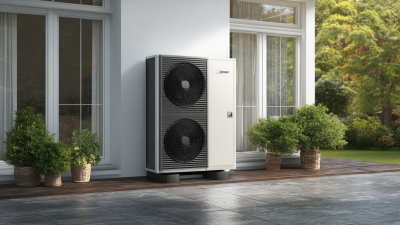
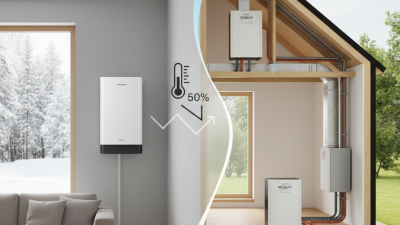
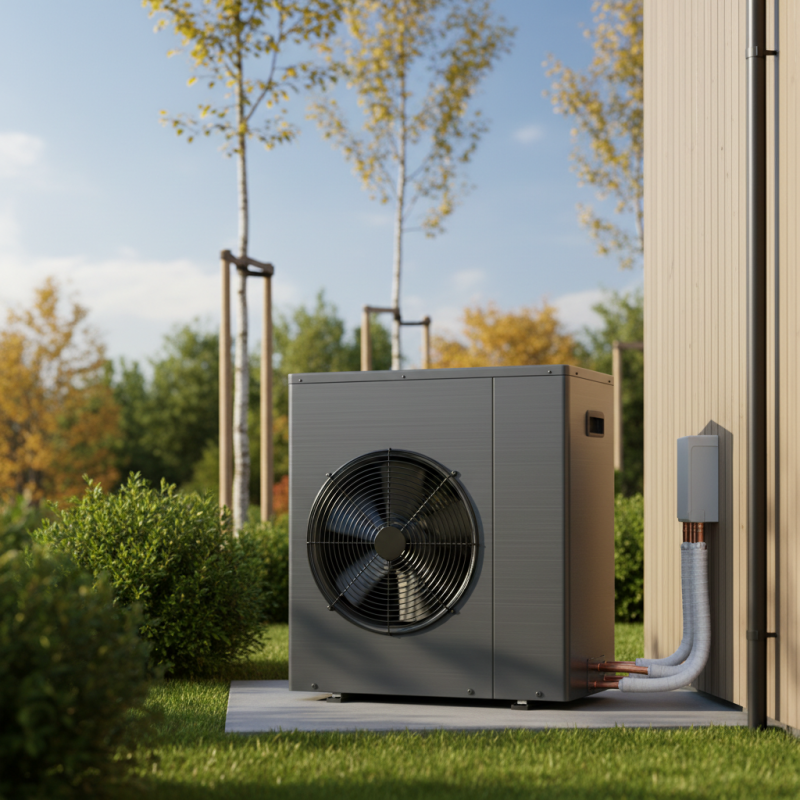
Monoblock heat pumps are compact, all-in-one systems designed for efficient heating and cooling. They integrate both evaporator and condenser components into a single unit. This design eliminates the need for extensive piping between the indoor and outdoor units, simplifying installation. Monoblock heat pumps typically work by extracting heat from the air outside, making it suitable for various climates. In cooler temperatures, they still draw energy efficiently, providing reliable heating.
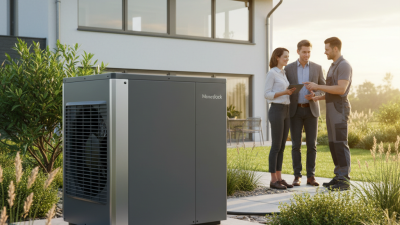
When considering a monoblock heat pump, it's essential to assess your space requirements. These systems can be less flexible in installation compared to split systems. Additionally, their performance can vary based on local weather conditions. Areas with extreme temperatures might see a reduction in efficiency.
Tips: Ensure proper insulation in your home. This maximizes the heat pump's efficiency. Regular maintenance is crucial for optimal performance. Neglecting this can lead to decreased efficiency and higher energy costs. Always check local regulations before installation, as heat pumps may have specific requirements.
Components of a Monoblock Heat Pump System
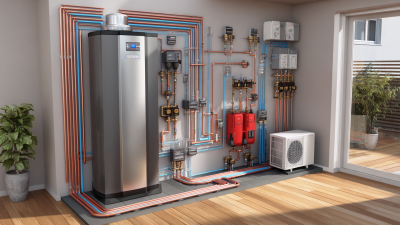
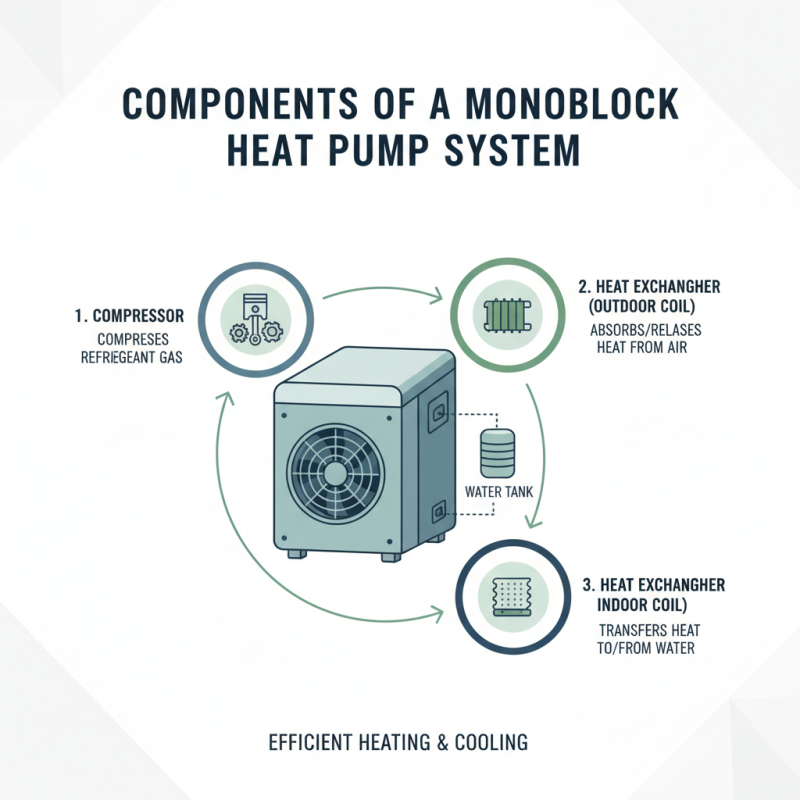
A monoblock heat pump is a compact system designed for efficient heating and cooling. Its core components play a vital role in its functionality. One primary element is the compressor. It compresses refrigerant gas, raising its temperature and pressure. This process is critical for transferring heat.
Another key component is the heat exchanger. It facilitates heat transfer between the refrigerant and the environment. In monoblock systems, this component often uses air as the heat source or sink. The efficiency of heat exchangers can significantly influence overall performance. According to industry reports, advancements in heat exchanger design can improve efficiency rates by up to 30%.
Additionally, the expansion valve regulates the flow of refrigerant. It decompresses the refrigerant before it enters the evaporator. This control is crucial for maintaining optimal temperatures, particularly in variable climates. However, maintaining these components can be challenging. Regular checks are essential to ensure peak performance. Neglecting maintenance can lead to inefficiencies and increased energy consumption. Overall, a clear understanding of these components helps users maximize the benefits of a monoblock heat pump system.
How a Monoblock Heat Pump Operates
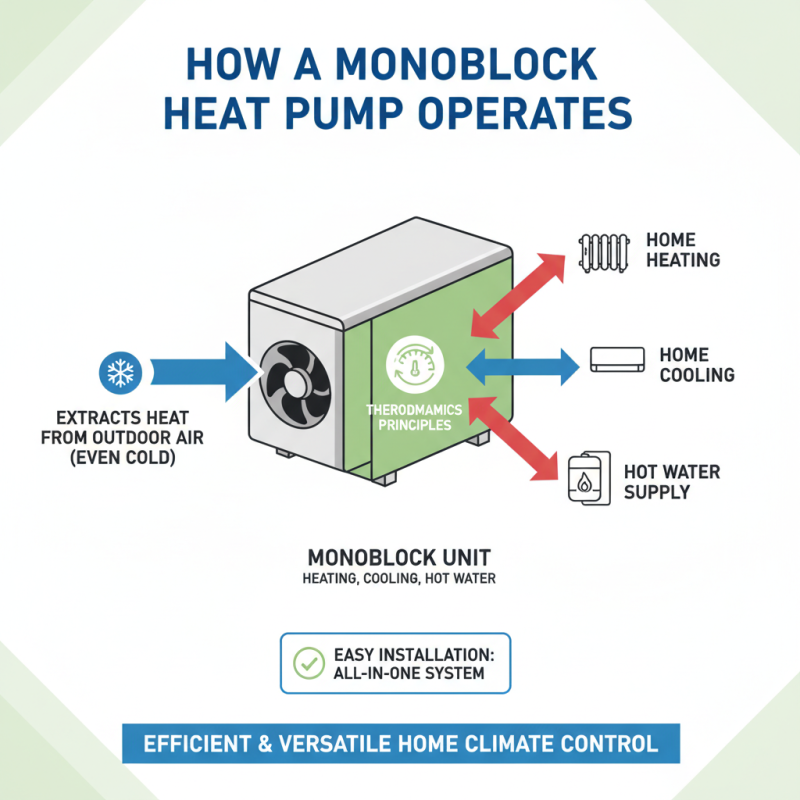
A monoblock heat pump is an innovative device that provides heating, cooling, and hot water. It operates on the principles of thermodynamics. The entire system is housed in a single unit, making installation easier. The pump extracts heat from the outside air, even in cold weather, which is essential for its efficiency.
When the pump is in heating mode, it absorbs heat from the air using refrigerant. This fluid changes states as it travels through the system, first absorbing heat and then releasing it indoors. The compressor increases the temperature of the refrigerant, sending warm air into the home. What’s interesting is the technology’s ability to reverse this process for cooling. Despite the efficiency, some users may not fully grasp the maintenance requirements, especially during peak seasons.
Monoblock heat pumps are designed for durability and long-term performance. Regular check-ups and ensuring proper airflow can enhance efficiency. Yet, some installations may not yield the expected results due to environmental factors. For instance, improper placement can affect overall performance. Homeowners need to be aware of these details, as they directly impact operational reliability.
Advantages of Using a Monoblock Heat Pump
Monoblock heat pumps are gaining popularity for their efficiency and ease of use. They provide sustainable heating and cooling solutions for homes and buildings. One major advantage of a monoblock heat pump is its compact design. All components are housed in a single unit outside the building. This makes installation simpler and less disruptive.
Another advantage is energy efficiency. Monoblock heat pumps can significantly reduce energy costs. They extract heat from the air, even in low temperatures. This process utilizes electricity more efficiently than traditional heating methods. As a result, users can enjoy reduced utility bills and a lower carbon footprint.
However, not every situation is ideal for a monoblock heat pump. Climate can affect performance. In extremely cold regions, extra heating sources might be necessary. Homeowners should assess their local weather and energy needs carefully. Despite some drawbacks, the benefits are clear: lower costs, fewer emissions, and a more sustainable future.
Advantages of Using a Monoblock Heat Pump
Applications and Use Cases for Monoblock Heat Pumps
Monoblock heat pumps are versatile solutions for both residential and commercial heating needs. Their compact design houses all components in a single unit, making them easy to install. They efficiently transfer heat from the outside air into a building, even in colder climates.
In residential settings, monoblock heat pumps serve as an alternative to traditional heating systems. They provide warmth in winter while also offering cooling in summer. This dual functionality appeals to homeowners looking for energy efficiency and cost savings. For commercial use, these heat pumps can be integrated into larger HVAC systems, providing flexible temperature control.
These systems face challenges, such as installation in spaces with limited access. Maintenance is also critical, requiring regular checks to ensure optimal performance. Despite these concerns, the growing trend toward sustainable solutions makes monoblock heat pumps a popular choice in modern heating applications. Further investigation into best practices for their use will enhance their efficiency and reliability in various environments.