Top 10 Solar Heat Pumps for Global Buyers in 2026?
As the world increasingly focuses on sustainable energy solutions, **Solar Heat Pumps** are gaining significant attention. These systems convert solar energy into heat, providing an eco-friendly option for heating needs. By 2026, the market is expected to see remarkable advancements, impacting both residential and commercial sectors.
Investors and consumers alike are exploring these innovative technologies. The efficiency of solar heat pumps can vary greatly based on design, installation, and local climate. Understanding these factors is essential for making informed decisions. Some systems may promise high efficiency but fail in real-world applications, highlighting the need for thorough research.
This guide will explore the top ten solar heat pumps projected to lead the market in 2026. By examining various models, we aim to provide insights into their features and performance. While many products boast impressive specifications, it's wise to consider user experiences and potential drawbacks.

Overview of Solar Heat Pumps: Mechanism and Benefits
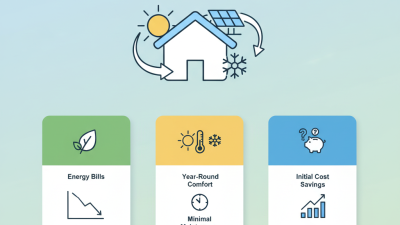
Solar heat pumps offer an innovative solution for heating and cooling needs. These systems utilize solar energy to enhance traditional heat pump efficiency. According to recent market reports, the global solar heat pump market is projected to grow by 14% annually until 2026, driven by rising demand for sustainable technologies.
Understanding how solar heat pumps work is key to appreciating their benefits. These devices capture sunlight through solar panels, converting it into thermal energy. This energy is then used to heat or cool indoor spaces. A study by the International Energy Agency indicates that solar thermal technologies can reduce energy consumption in residential buildings by up to 50%.
The benefits are clear, but challenges exist. The initial installation cost can be high, and performance depends on geographic conditions. Moreover, maintenance may be necessary to ensure longevity. Accurate assessments of environmental impact are vital to weigh the pros and cons. Thus, while solar heat pumps present an attractive option for many, they require thorough consideration before commitment.
Key Features to Consider When Choosing a Solar Heat Pump
When selecting a solar heat pump, several key features are essential.
Efficiency is paramount. A pump’s coefficient of performance (COP) indicates how effectively it converts solar energy into heat.
Opt for models with a higher COP for optimal energy savings. Size matters too. Choose a unit that fits the specific heating needs of your space,
avoiding undersized or oversized options.
Consider the installation and maintenance requirements. A straightforward installation process saves time and costs.
Additionally, look for systems that offer easy access for routine maintenance. Durability is crucial; the best models withstand various weather conditions.
Also, assess the warranty period. A longer warranty reflects the manufacturer’s confidence in their product.
Evaluate noise levels as well. Some units can be quite loud, making them unsuitable for residential areas.
A quieter model may enhance comfort levels. Lastly, ensure the unit has a reliable control system.
This feature allows for better monitoring and adjustments, ultimately improving overall efficiency.
Balancing these features leads to a more informed decision, reflecting on how solar technology evolves.
Top Brands and Models of Solar Heat Pumps for 2026
In 2026, solar heat pumps are gaining traction worldwide. Many consumers prioritize energy efficiency and sustainability. Recent industry reports indicate that solar heat pumps can save up to 70% on heating bills compared to traditional systems. This significant cost reduction drives interest among global buyers.
Top models in the solar heat pump market combine advanced technology with reliability. Some designs feature integrated solar panels and heat exchangers, optimizing energy use. Popular configurations often include ground-source and air-source options, each with unique advantages. Ground-source pumps are noted for their stability and efficiency, while air-source units offer easier installation.
There are challenges as well. The initial investment for high-quality systems can be steep. Some models may also require extensive maintenance, impacting overall savings. Buyers should carefully assess their specific needs and installation environments. Choosing the right model can be a complex decision. Researching various options is essential to make an informed investment.
Top 10 Solar Heat Pumps for Global Buyers in 2026
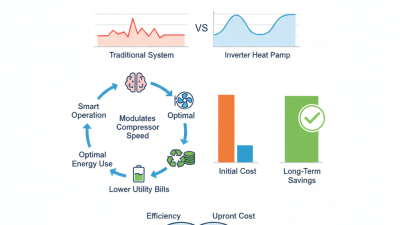
Comparative Analysis: Solar Heat Pumps vs. Traditional Heating Systems
Solar heat pumps offer numerous advantages compared to traditional heating systems. They harness energy from the sun, reducing reliance on fossil fuels. This system operates efficiently, even in colder climates. Utilizing solar power helps minimize the energy costs associated with conventional heating, which often relies on electricity or gas.
However, solar heat pumps are not without challenges. Initial installation costs can be high. Additionally, performance may fluctuate based on geographic location and weather conditions. Some users may find limitations in heating capacity during cloudy days. Such factors require careful consideration before making a transition.
In contrast, traditional heating systems provide consistent performance regardless of external conditions. They are often easier to install and maintain. Yet, their dependence on nonrenewable resources raises long-term sustainability concerns. Overall, while solar heat pumps show promise, they require substantial commitment and thorough planning for optimal use. The evolving technology continues to improve efficiency, making them an increasingly viable alternative.
Future Trends and Innovations in Solar Heat Pump Technology
The solar heat pump technology is evolving rapidly. In 2026, we can expect significant innovations that enhance energy efficiency and sustainability. These advancements focus on combining solar energy with efficient heating systems. The future looks promising as manufacturers emphasize reducing carbon footprints.
Tips: Consider variables like climate and placement. A well-located solar heat pump can outperform traditional systems. Proper installation is crucial. Seek professional help to maximize efficiency.
New materials are emerging in solar heat pumps. Advanced thermal collectors improve heat retention. Innovations in control systems will enable smarter energy management. Users might see real-time monitoring and automated adjustments for optimal performance.
As with any technology, challenges exist. Initial costs may deter some buyers. Understanding the local regulations and incentives can alleviate concerns. It's essential to stay informed about advancements and options available in the market.