Leave Your Message
AI Helps Write

What Is a Split Heat Pump System?

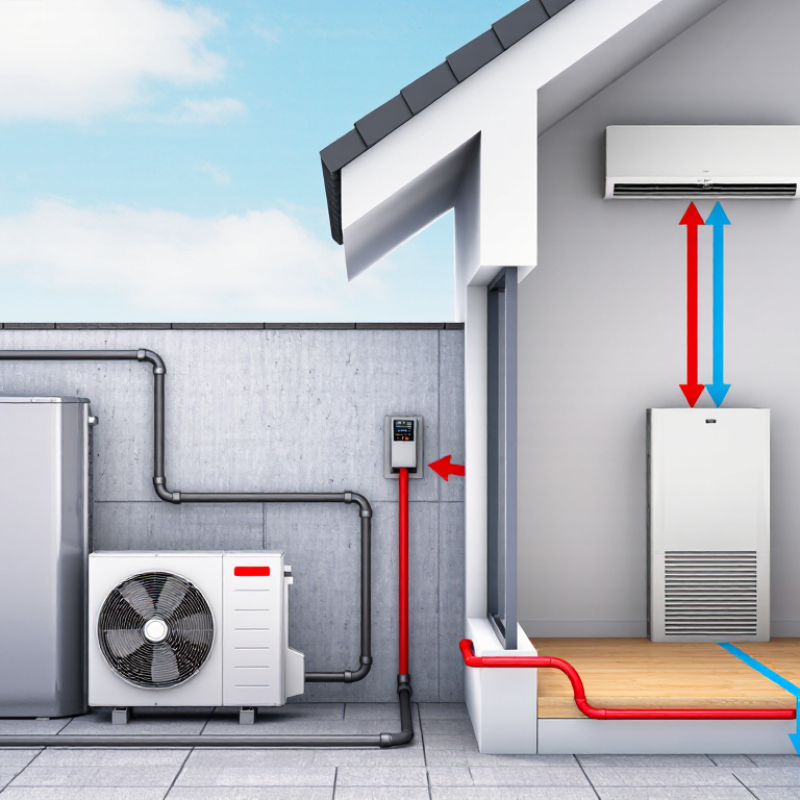
A split heat pump system uses two main units: an outdoor unit and an indoor unit. Refrigerant lines connect them, carrying heat between the home and the outside air. In winter, the system moves heat indoors; in summer, it reverses direction and moves heat outdoors. That is the basic idea. The indoor section may connect to ducts or serve rooms through separate wall-mounted units, depending on the design.

You may also encounter the phrase Heatpump Split when researching this equipment. The name describes its divided layout, not a different way of heating. A real installation is more than two boxes and a pair of pipes. Unit capacity, airflow, insulation, climate, and careful installation all affect comfort and energy use. A technician can assess the home and check that the selected equipment suits its heating and cooling needs. Manufacturer specifications and local conditions matter, too.

On a cold morning, a properly matched system can provide steady warmth without burning fuel inside the home. But performance varies, and some homes may need supplemental heat during very cold weather. A simple diagram cannot show every detail. It is also easy to assume that a higher efficiency rating guarantees lower bills; actual results depend on usage and electricity prices. Understanding the system’s parts and limits is a useful starting point before comparing models or requesting an installation assessment.
What Is a Split Heat Pump System?

Definition and Main Components of a Split Heat Pump System

What Is a Split Heat Pump System?
Definition and Main Components of a Split Heat Pump System

A split heat pump has indoor and outdoor units connected by refrigerant lines. The outdoor unit contains a compressor, coil, and fan. It transfers heat by moving refrigerant between the two units. Inside, a coil and air handler distribute conditioned air through ducts; ductless versions use wall-mounted indoor heads. A reversing valve changes the refrigerant’s direction for heating or cooling. The layout sounds simple. It is not always.

The International Energy Agency’s 2022 report, The Future of Heat Pumps, says heat pumps can be three to five times more energy-efficient than gas boilers. The U.S. Department of Energy also reports that heat pumps can cut heating electricity use by about 50% compared with electric resistance heating. These figures are comparisons, not promises for every home. Climate, sizing, insulation, and installation quality all affect performance. A unit that is poorly sized may run inefficiently, even when its components are sound.

Tips: Ask a qualified installer to check your home’s heat-loss needs, electrical service, and refrigerant-line route. A neat outdoor unit placement matters, too; snow, leaves, or tight airflow can cause trouble. Don’t overlook noise. The quietest location on paper may sit right beside a bedroom window.

What Is a Split Heat Pump System? — Definition and Main Components

Component Typical Location Main Function How It Works in the System
Split heat pump system One unit indoors and one outdoors Moves heat between indoor and outdoor air to provide heating or cooling. The two units are connected by refrigerant piping and control wiring. The system’s refrigeration cycle can reverse to switch between heating and cooling.
Outdoor unit Outside the building Houses key refrigeration-cycle components and exchanges heat with outdoor air. Depending on the operating mode, its coil absorbs heat from outdoor air or releases heat to it. The outdoor fan moves air across the coil.
Compressor Usually inside the outdoor unit Circulates refrigerant and raises its pressure and temperature. It drives refrigerant through the system. Many modern systems use variable-speed compressors that can adjust output to match demand.
Outdoor coil and fan Outdoor unit Transfer heat between the refrigerant and outdoor air. In heating mode, the outdoor coil typically absorbs heat; in cooling mode, it typically releases heat. The fan moves outdoor air across the coil.
Reversing valve Usually inside the outdoor unit Changes the direction of refrigerant flow through the coils. Reversing the flow allows the indoor coil to function as a condenser for heating or as an evaporator for cooling.
Indoor unit or air handler Inside the building Moves conditioned air through the indoor space. It commonly contains a blower and an indoor coil. Ducted systems distribute air through ducts; ductless systems deliver air directly from indoor units.
Indoor coil Inside the indoor unit Transfers heat between the refrigerant and indoor air. In heating mode, it typically releases heat into the indoor air. In cooling mode, it absorbs heat from indoor air and can also remove moisture.
Expansion device In the refrigerant circuit; exact location varies by design Reduces refrigerant pressure and meters its flow into a coil. It helps prepare the refrigerant to absorb heat in the evaporator. The specific device and arrangement vary among system designs.
Refrigerant lines Between the outdoor and indoor units Carry refrigerant between the units. The lines form part of the sealed refrigeration circuit. Their size and installation requirements depend on the system design.
Thermostat or system controller Inside the building Lets occupants set a temperature and operating mode. It communicates demand to the system controls, which coordinate heating, cooling, fan operation, and other functions supported by the equipment.
Defrost controls Associated with the outdoor unit Help clear frost that can accumulate on the outdoor coil during heating. When conditions call for it, the controls initiate a defrost cycle. The system temporarily changes operation to warm the outdoor coil.
Condensate drain Connected to the indoor unit Removes water that forms when moisture condenses on the indoor coil during cooling or dehumidification. Condensate is carried away from the unit through a drain line. Drain arrangements vary by installation.
Optional auxiliary heat Often integrated with or installed near the indoor unit Provides supplemental heat when required by the system or installation. Electric resistance heat is one common option, but auxiliary heat is not present in every split heat pump system.

How a Split Heat Pump Transfers Heat

A split heat pump moves heat rather than creating it through combustion. Its outdoor unit gathers heat from the air, even when the air feels cold. Refrigerant absorbs that heat and changes into a gas. The compressor then raises its pressure and temperature. Inside, the refrigerant releases heat through the indoor coil, warming air that a fan sends through the room. The cycle reverses in summer, carrying indoor heat outside. It is not magic. It is a carefully controlled transfer.

The U.S. Department of Energy says heat pumps can reduce electricity use for heating by about 50% compared with electric resistance heating. That figure is a comparison, not a promise for every home. The IEA’s 2022 report, The Future of Heat Pumps, notes that heat pumps can be three to five times more energy-efficient than gas boilers. Real performance depends on outdoor temperature, equipment sizing, airflow, and installation quality. A cold morning can expose a weak design. Even a good system may need backup heat in severe weather.

Tips: Keep the outdoor coil clear of leaves and snow, and replace or clean filters as directed. Ask a qualified technician to check refrigerant charge and airflow; small setup errors can quietly reduce comfort. The neat diagram never shows every draft or closed vent—homes are messier than diagrams.

Common Split Heat Pump Configurations

A split heat pump system uses an outdoor unit and one or more indoor units to move heat between outside air and the home. In winter, it draws heat from outdoor air and transfers it indoors. In summer, the process reverses. Refrigerant lines connect the units, while electrical wiring and a condensate drain support operation. The indoor setup shapes comfort, airflow, and installation needs. Small details matter.

Common configurations include single-zone ductless systems, which pair one outdoor unit with one indoor wall-mounted unit. They can suit an addition or a room that stays uncomfortable. Multi-zone systems connect one outdoor unit to several indoor units, allowing separate temperature settings in different rooms. A ducted split system instead uses an indoor air handler and existing or newly installed ducts to serve multiple spaces. Ducts can distribute air evenly, but leaks or poor sizing may reduce performance. A hybrid setup can pair a heat pump with a separate heating source, though controls and local climate affect how it operates. A tidy floor plan does not guarantee even comfort.

Tips: Ask a qualified HVAC professional to assess room-by-room heating and cooling loads before choosing a layout. Check where indoor units, refrigerant lines, and drains can reasonably go. Simple, but easy to overlook. Also consider noise, filter access, and how doors affect airflow.

Installation Requirements and System Compatibility

A split heat pump pairs an outdoor unit with one or more indoor units, connected by refrigerant lines and control wiring. Installation starts with a room-by-room load calculation, not a guess based on floor area. An oversized unit may cycle frequently; an undersized one can struggle during cold snaps. Check the home’s electrical service, breaker capacity, wall space, condensate drainage, and clearances around the outdoor unit. Small details matter.

Compatibility needs equal care. Indoor and outdoor components must be approved to operate together, with suitable capacity and refrigerant requirements. The AHRI Certified Product Directory can help verify matched equipment combinations. Confirm permitted line length and elevation changes in the installation documents, too. A long route across a garage may need different planning than a short wall penetration. This is where plans sometimes get messy.

The U.S. Department of Energy’s Energy Saver guidance says heat pumps can reduce electricity use for heating by about 50% compared with electric resistance heating.

That benefit depends on correct sizing and installation, not the equipment label alone. Before work begins, compare the proposed design with the home’s actual wiring, insulation, and heating needs. One overlooked constraint can change the whole installation plan.

Efficiency, Benefits, and Limitations of Split Heat Pumps

What Is a Split Heat Pump System?
Efficiency, Benefits, and Limitations of Split Heat Pumps

A split heat pump has an outdoor unit connected to one or more indoor units by refrigerant lines. It moves heat rather than generating it directly, providing heating and cooling from the same equipment. In heating mode, its seasonal efficiency depends on outdoor temperatures, system sizing, and installation quality. A neat efficiency rating cannot tell the whole story.

The U.S. Department of Energy’s Energy Saver guidance says heat pumps can use about 50% less electricity than electric-resistance heating. The International Energy Agency’s 2022 report describes heat pumps as three to five times as energy-efficient as gas boilers in typical applications. These comparisons are useful, but they are not household guarantees. A correctly sized system may keep rooms comfortable while avoiding separate heating and cooling equipment. Quiet indoor operation can also be welcome in a bedroom.

There are trade-offs. In very cold weather, some models lose heating capacity and may rely on backup heat, increasing electricity use. Frost can form on the outdoor coil, so the unit periodically defrosts; during that cycle, heating may briefly pause. Not always convenient. Split systems also need careful refrigerant-line installation and regular filter cleaning. Poor sizing or placement can leave a room unevenly heated. That part is easy to underestimate. A qualified installer should assess the home, local climate, and existing electrical setup before recommending a system.

What Is a Split Heat Pump System? Efficiency, Benefits, and Limitations

How to read this chart: COP is the ratio of heat delivered to electricity used. At a COP of 3, for example, a heat pump delivers 3 kWh of heat per 1 kWh of electricity. These are illustrative operating points, not guaranteed product ratings. Actual efficiency varies with outdoor temperature, equipment, and installation; colder conditions can reduce performance.